




Sustainable forest management yields major gains for Tangavillages
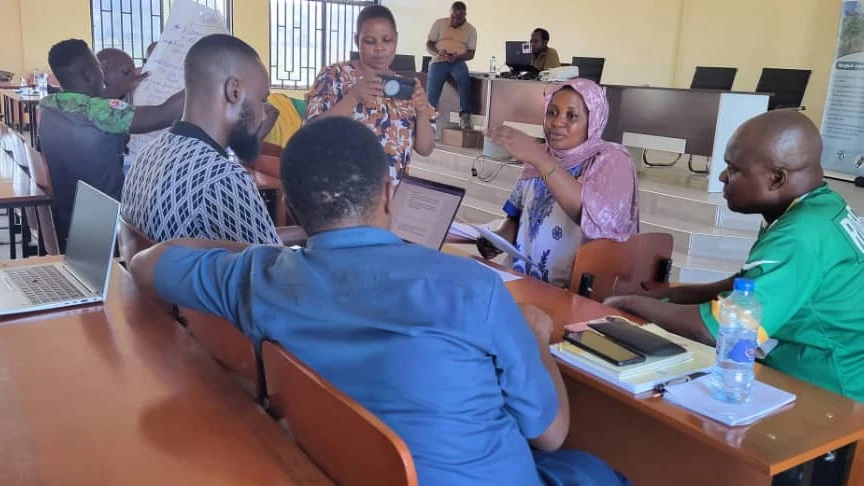
COMMUNITIES in Handeni, Kilindi, and Pangani District Councils are beginning to reap significant social and economic benefits from sustainable forest management, with several villages using newly generated income to construct modern offices and fund development projects.
According to Napoleon Mlowe, Natural Resource Officer for Handeni District Council, the progress marks a turning point for rural communities that have long depended on forest resources but previously lacked systems to benefit sustainably.
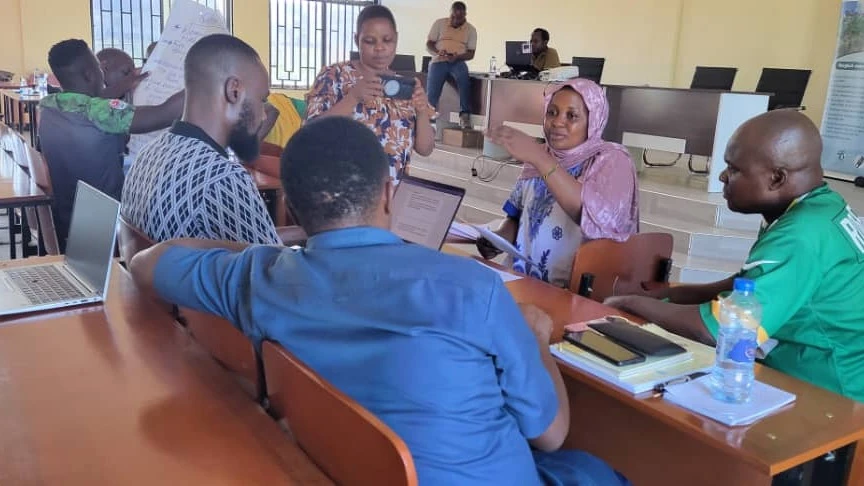
Mlowe made the remarks during a meeting with village leaders and officials reviewing achievements under the Integrated Forest Biomass Energy Solutions for Tanzania (IFBEST) project, funded by the European Union.
Mlowe revealed that Mkalamo Village, in Handeni District, has earned 172 million/- in compensation from individuals who illegally extracted minerals in the Bagamoyo Village Land Forest Reserve, which spans 1,188.8 hectares.
“Through this fund, Mkalamo Village has been able to build a modern village office, allowing leaders to operate in a more conducive environment,” Mlowe said.
Similarly, Gendagenda Village earned 56m/- between September and November from the sale of 4,480 bags of sustainable charcoal produced in its Village Land Forest Reserve. Part of the revenue came from compensation charged to charcoal producers from Pangani District who unlawfully entered the area.
These funds are now supporting village development initiatives, marking a shift in how rural communities manage and benefit from their natural resources.
Under the IFBEST project, 30 modern beehives have been distributed to Gendagenda, Mkalamo, and Kwamsisi Villages — 10 for each — to strengthen honey production as an alternative income source. The initiative aims to reduce dependence on forest exploitation and promote conservation-friendly enterprises.
Villagers have also established Village Savings and Loan Associations (VSLAs), collectively saving 45m/-, which members can borrow to start or expand small businesses.
“We are happy to see communities adopting VSLAs. They now have access to loans that were not available before,” Mlowe noted.
Mlowe highlighted ongoing efforts to expand Village Land Forest Reserves under Community-Based Forest Management (CBFM), enabling villages to tap into emerging carbon trading opportunities. The district has set aside 15 million/- for forest management and carbon trading training in 2023/24, with 23 million/- allocated for 2025/26.
A total of 156 members — including village leaders, natural resource committees, and charcoal committees — have been trained in governance, record keeping, fire control, sustainable charcoal harvesting, and permit issuance. With support from the Tanzania Forest Conservation Group (TFCG) and the Tanzania Community Forest Conservation Network (MJUMITA), they have designated 186 sustainable charcoal plots across several forest reserves.
Villages such as Kwamsisi are already revising their Forest Management Plans, while all three participating villages have received GPS devices for mapping, monitoring damage, and allocating plots for nature-based enterprises.
Handeni District Executive Director Sailoti Stephen emphasized that forests are now viewed as critical economic assets.
“As district staff, we’ve learned that forests can generate significant income when used sustainably,” he said. “Communities can benefit through carbon trading, honey production, sustainable charcoal, and timber harvesting — revenue that supports education, health, and other local priorities.”
Stephen pledged continued support for all villages — those within the IFBEST project and those outside it — to ensure they benefit from resources on their land. He praised TFCG and MJUMITA for their role in helping communities conserve forests while generating income.
So far, 23 villages in Handeni have been trained in forest conservation, collectively protecting 33,000 hectares under CBFM arrangements.
Stephen also thanked the EU for financing IFBEST, saying the project has visibly changed attitudes toward conservation
“Funds are now flowing into village bank accounts, and residents are taking conservation seriously because they see the profits,” he said.
Villages have also received motorcycles from TFCG to support forest patrols and improve response times.
As sustainable forest management continues to expand, communities in Tanga Region are positioning themselves as models of how rural areas can leverage natural resources responsibly — securing both environmental protection and improved livelihoods.
Top Headlines
Trending Stories















© 2025 IPPMEDIA.COM. ALL RIGHTS RESERVED