




Govt initiates moves to halt mild tanzanite price decline

The government is moving to address concerns over the recent drop in tanzanite prices, attributing it to a lack of orderly production and sales management.
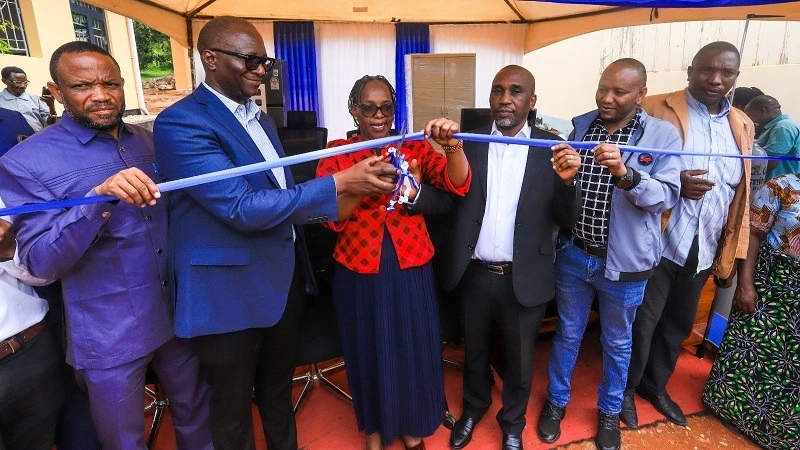
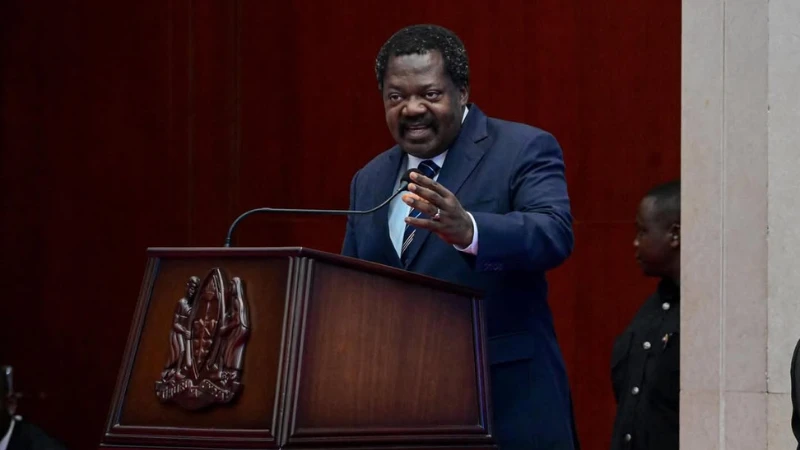
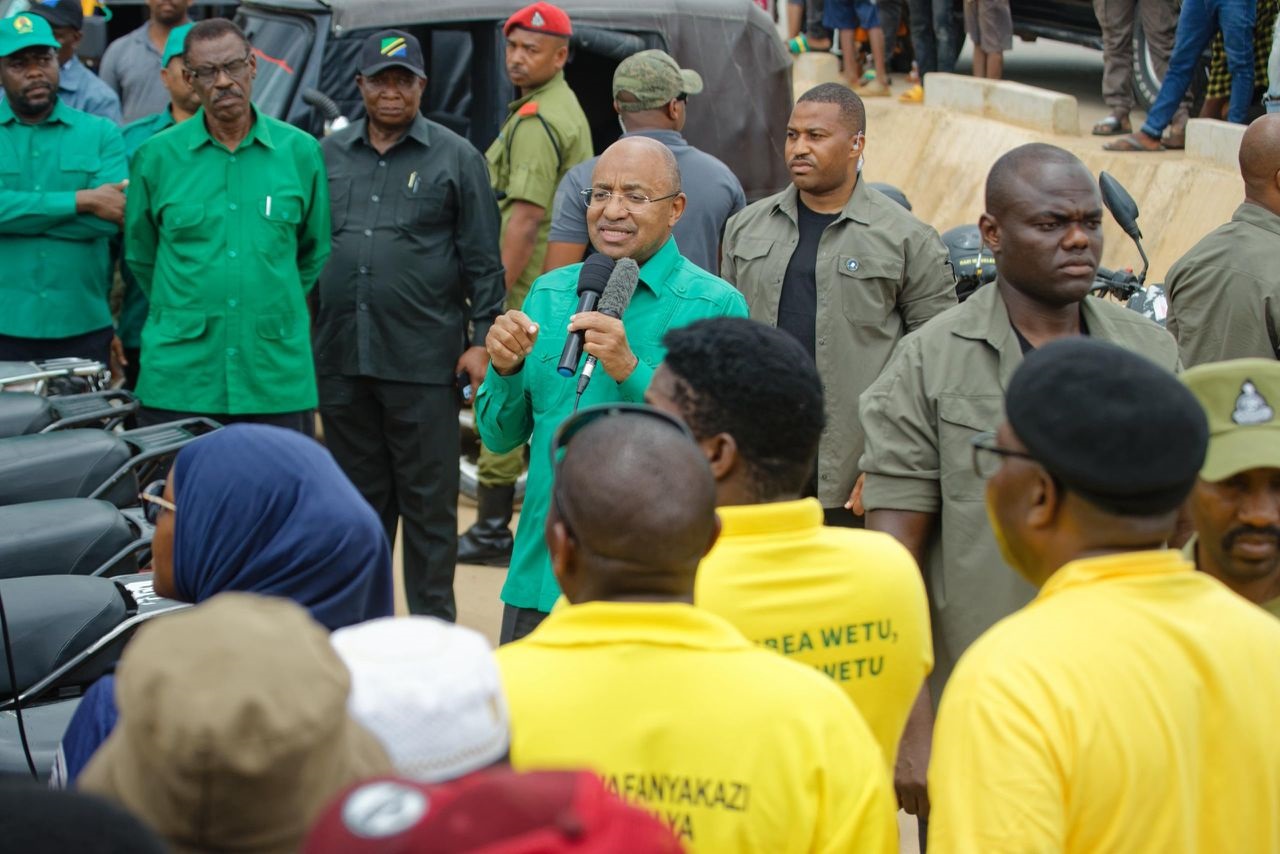
Anthony Mavunde, the Minerals minister, indicated this intent when launching a comprehensive strategy in Mererani, Manyara Region, to revive the tanzanite trade and restore the rare blue-violet gemstone's premium global standing.
He described the effort as part of government responsibility to protect the gemstone's value, derived from its rarity and careful control of supply and final prices, largely controlled by outside buyers.
In a note on the shifting trade dynamics of the green mineral, an online source says that historically, a significant portion of the tanzanite trade value leaked out of Tanzania to foreign cutting and resale hubs, especially India.
In 2024, for example, India reportedly exported four times the value of tanzanite compared to Tanzania itself, such that Tanzania is actively working to reclaim control through international auctions and local processing initiatives, aiming to retain more value within the country.
The minister, addressing miners and traders at the proposed Tanzanite Exchange Centre, said that the plan focuses on tighter market control, strategic rebranding and robust domestic trading systems.
Still a range of critics see production challenges as also arising from such efforts, asserting that production in Tanzania has faced challenges including soaring costs, government policies aimed at curbing smuggling and promoting local processing (citing the 2017 raw mineral export ban), along with increasing difficulty of mining deeper underground.
New efforts are being made by the government to improve access to capital for small scale miners to tackle the limited access to deeper deposits, to increase the supply of newly mined stones entering the global market, where there is no decline in demand.
The minister saw the government’s strategy as an effort at rebranding the mineral, seeking to restore tanzanite's value and premium international image by reintroducing domestic auctions, followed by strategic placement in international auctions.
The government trusts that reviving international gemstone exhibitions to showcase Tanzanian stones to global buyers will be boosted by operationalizing the Tanzanite Exchange Centre (TEC) as the core system for trade management to ensure a clear and transparent structure for buying and selling, improving traceability, pricing and tax collection, he said.
The plan involves developing a Tanzanite City in Mererani with dedicated areas for hotels, logistics and supporting economic activities, transforming the town into a vibrant service hub he asserted.
Considerable possibility was also being mooted with respect to domestic capital and market relocation where global markets are redirected to the site by establishing structured trading systems, with the Bank of Tanzania paying gemstone sellers within 24 hours of a verified sale to ensure instant payment, he explained.
The government is also launching an export guarantee scheme to back honest local traders, helping them access financing and compete effectively with large foreign buyers, he said, cautioning against smuggling as enforcement efforts will be intensified.
Concurrently, capacity building for honest traders to handle larger volumes legally will be undertaken, with resident mining offices directed to categorize traders by capital size to design tailored support programmes, the minister specified.
Youth empowerment is also in view, with 291 young people already receiving mining licences, he said, pointing out that in previous years, Tanzanite alone generated up to 161bn/- in revenues. By June 30, 2025, total revenue reached 1.0trn/- while the mining sector's contribution to GDP now stands at 10.1 per cent, exceeding the 2025 target, he added.
Top Headlines
Trending Stories









© 2025 IPPMEDIA.COM. ALL RIGHTS RESERVED