




Life-changing hearing devices boost education at Dar School
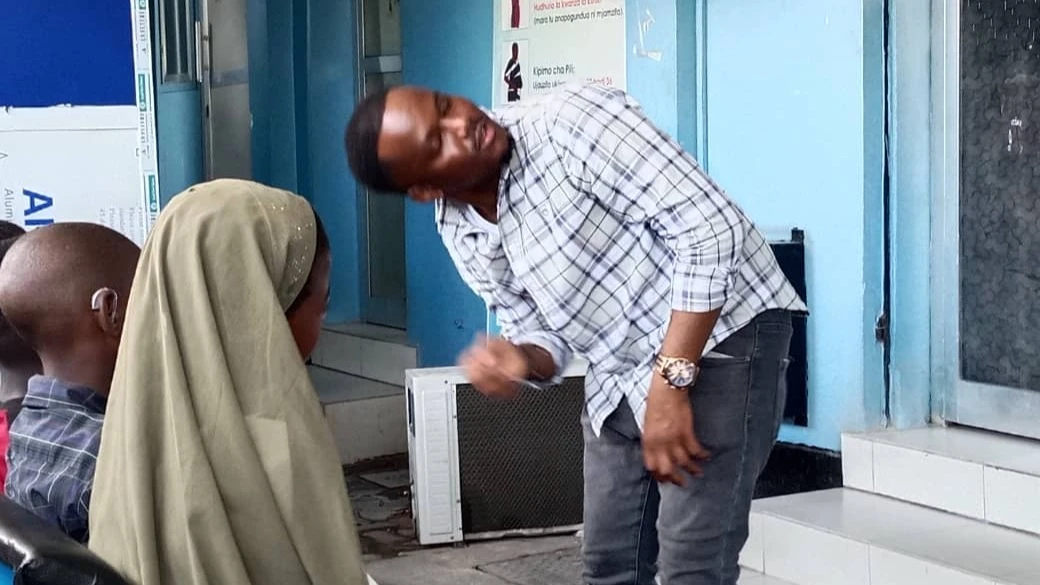
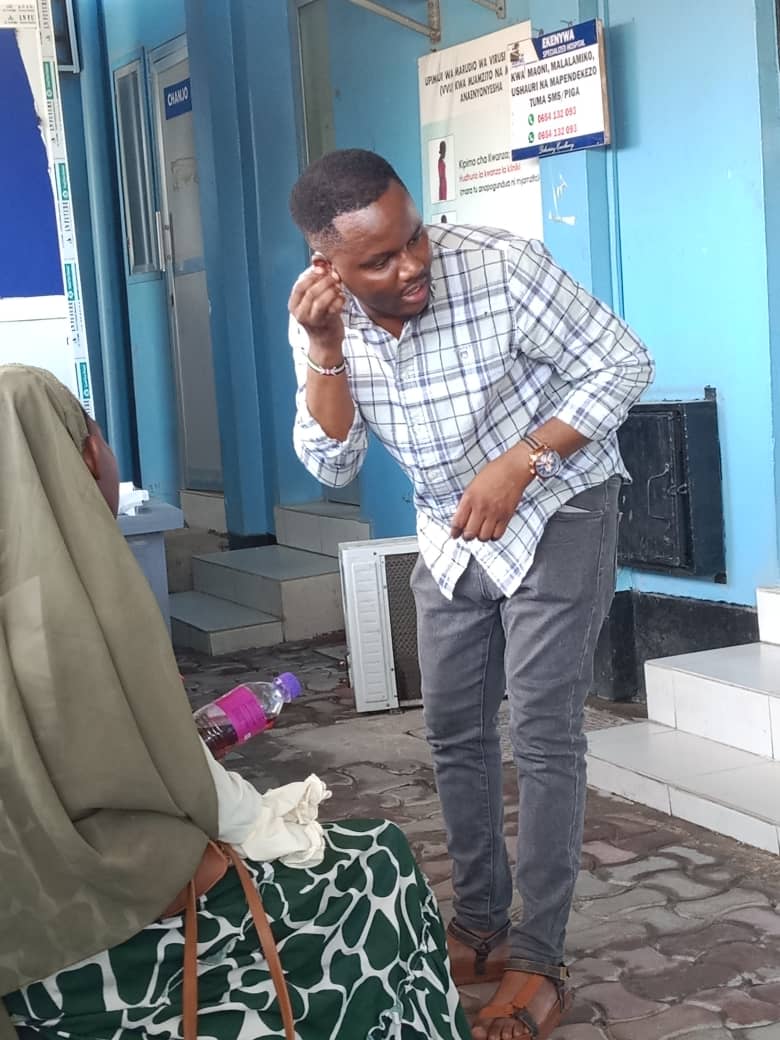
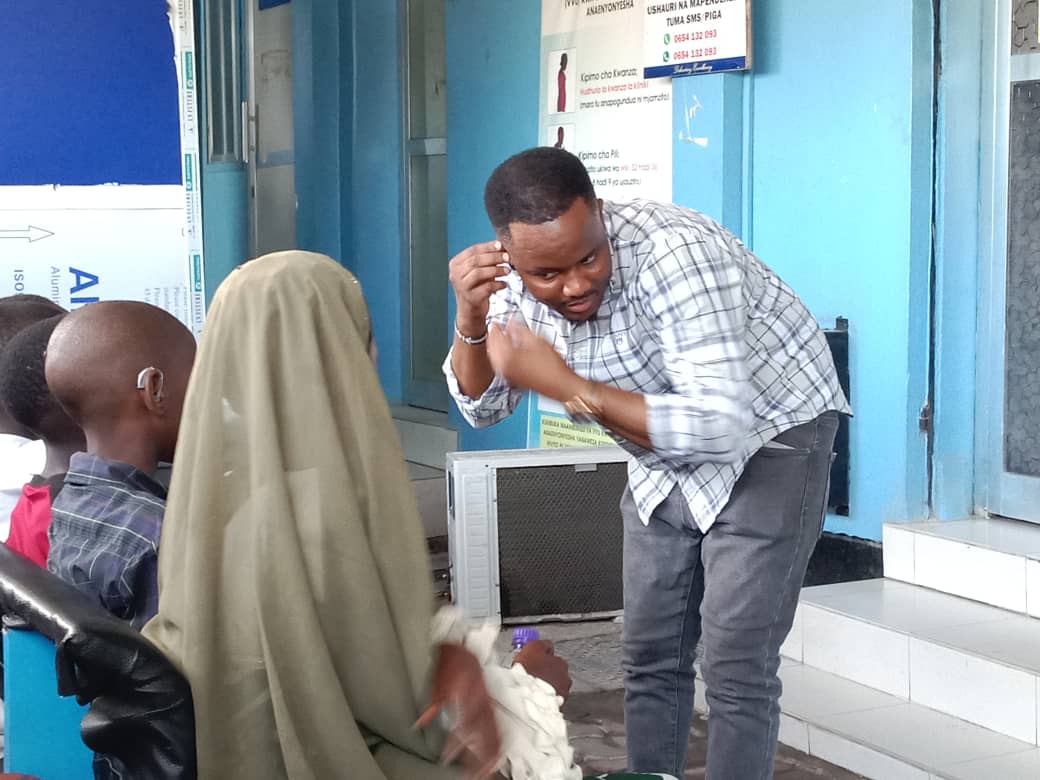
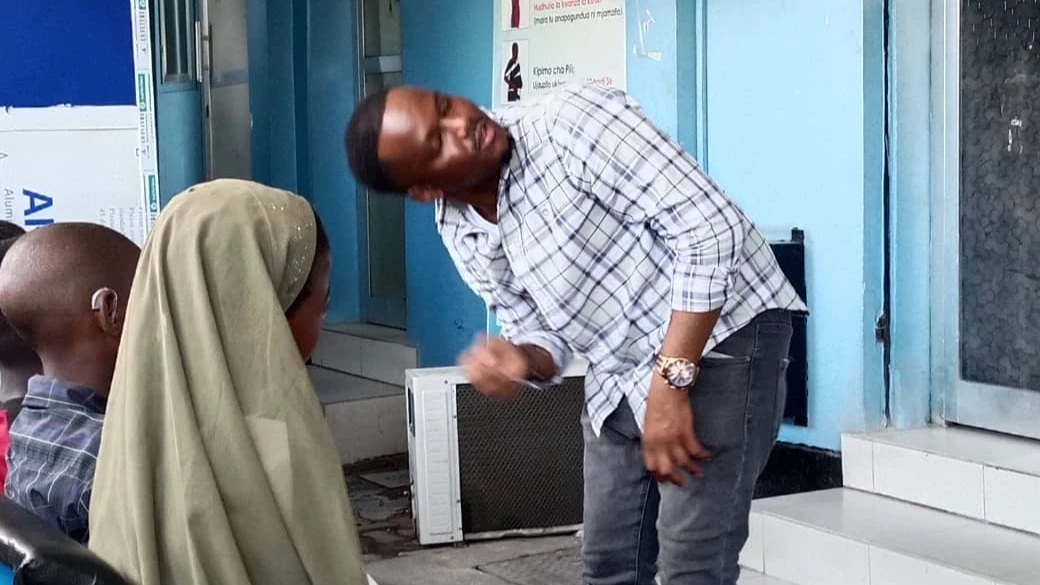
CHILDREN with hearing challenges at Kunduchi Mtongani Primary School in Dar es Salaam can now hear their teachers clearly for the first time, thanks to the provision of life-changing assistive hearing devices.
The breakthrough is the result of a coordinated programme by the Organisation for Community Development, in partnership with Ekenywa Hospital – Magomeni, as part of an ongoing commitment to promote inclusive education for children with disabilities.
Speaking after the exercise held over the weekend in Dar es Salaam, parents of the children said the device-distribution has sparked immense hope among them.
Both Habiba Mdoe and Isihaka Mathias, residents of Kunduchi Mtongani, expressed profound gratitude to OCODE and its partners.
“Pupils who previously struggled to follow classroom instructions can now hear more clearly, allowing them to keep pace with their peers academically,” they noted.
Sultan Rajabu, a teacher at the school, is optimistic that the devices will not only aid auditory comprehension—essential for performance in verbally intensive subjects—but also significantly boost the children’s confidence in class.
He said teachers are already reporting positive changes among the beneficiaries.
Rajab said the selection process was rigorous, following a comprehensive screening exercise carried out by OCODE, teachers, and assessment specialists from the Mlandizi assessment center.
Abdallah Selemani, an audiologist from Ekenywa Hospital, emphasised the critical need for early intervention.
“We encourage schools and the community at large to identify hearing challenges early to prevent children from falling behind academically,” he stated.
OCODE programme manager Tunu Sanga reaffirmed the organisation’s commitment to strengthening inclusive education across Tanzania.
“Through our collaboration with Ekenywa Hospital, we have ensured that these children receive equal learning opportunities just like other pupils. Our goal is to empower them not only in the classroom but also in their daily lives,” she said.
She said a total of 57 pupils were examined (for hearing, vision, and physical impairments).
Sanga said out of those, six children were diagnosed with difficulties and fitted with 5 children so far.
“Early feedback confirms notable improvements in the children’s ability to hear, respond, and remain attentive during lessons,” she said
Beyond distributing hearing devices, OCODE continues to support schools through renovation of early-childhood classrooms, improving educational infrastructure and equipping teachers with training on inclusive, child-centered teaching approaches.
The organisation maintains that such interventions are essential to ensuring no child is left behind due to physical or learning challenges.
Top Headlines
Trending Stories







© 2025 IPPMEDIA.COM. ALL RIGHTS RESERVED