




Z’bar on track to stave HIV infections by 2030

ZANZIBAR has made remarkable progress over the past three decades in the fight against HIV/AIDS, managing to reduce the national prevalence rate to below one percent.
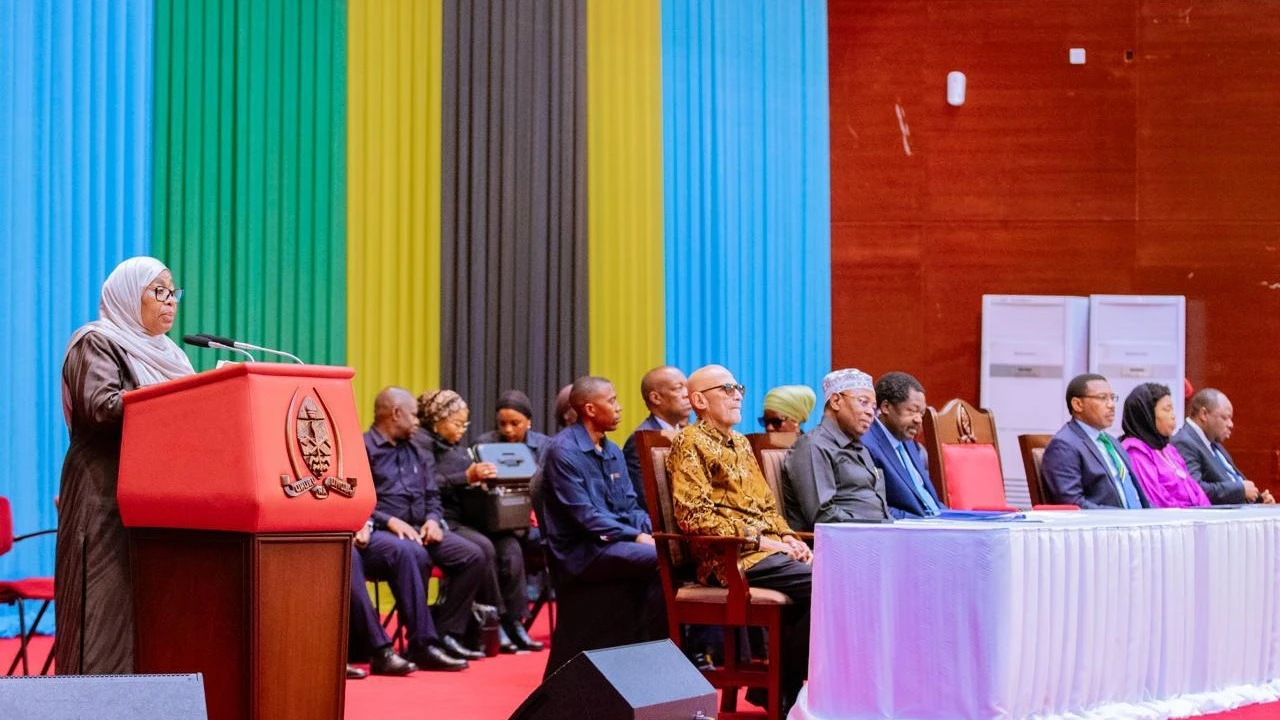
Second Vice President Hemed Suleiman Abdulla made this observation at the climax of World AIDS Day event at the Sheikh Idrisa Abdulwakil Hall in Kikwajuni suburb here yesterday.
The annual event brought together government officials, health agencies, civil society organizations and people living with HIV, focused on efforts toward eliminating the disease.
Strong leadership, sustained public health interventions and institutional cooperation with communities and international partners, enabled this progress, he said.
Zanzibar has succeeded in reducing the number of new HIV infections from 362 cases in 2020 to 211 cases in 2025, also slashing AIDS-related deaths from 230 deaths in 2020 to 115 so far in 2025, an encouraging result reflecting the country’s improved health services and community awareness.
The Zanzibar sustainable HIV response plan is aimed at ensuring that the national response to HIV remains consistent, coordinated and effective as the government works toward the global goal of ending AIDS by 2030, he said.
The government will uphold policies that protect people from discrimination while ensuring fair and equal access to health services, as an inclusive health system is essential for sustaining the progress made and addressing remaining gaps, he asserted.
Financial constraints, stigma and high-risk behaviours among youth are impediments that require joint effort by government agencies, community leaders and partner organizations to ensure that setbacks do not undermine national goals, he said.
The government will address concerns raised by the Zanzibar Association of People Living with HIV (ZAPHA+), like increasing the national budget for antiretroviral (ARV) medicines, laboratory testing and strengthening nationwide HIV/AIDS control efforts, he said.
People need to refrain from stigmatizing or discriminating against individuals living with HIV, as such attitudes hinder government strategies to prevent new infections.
“When we isolate or mistreat those affected, we weaken national efforts,” he remarked, urging institutions, stakeholders and the general public to collaborate in promoting behaviour-change campaigns, mobilizing resources and enhancing innovation in service delivery.
With such collaboration Zanzibar can achieve its vision of eliminating HIV as a public health threat, he said, while antri-HIV.AIDS activist Sara Abdi Mwita highlighted concerns over declining donor support, especially for essential services.
She called on the government to incorporate ARV procurement into the national budget to ensure reliable access to treatment for all patients, as people living with HIV often face difficulties when seeking social services due to discrimination or lack of proper identification in institutional systems.
The government needs to integrate recognition mechanisms in hospital and service delivery platforms to ensure patients receive care promptly and without harassment, she said, proposing the creation of a dedicated HIV Fund to help bridge financial gaps and support essential services for people living with HIV, particularly in the face of shrinking donor contributions.
Top Headlines
Trending Stories


















© 2025 IPPMEDIA.COM. ALL RIGHTS RESERVED