




Forests vital for Ruvu River catchment zone to uplift Dar water flow prospects

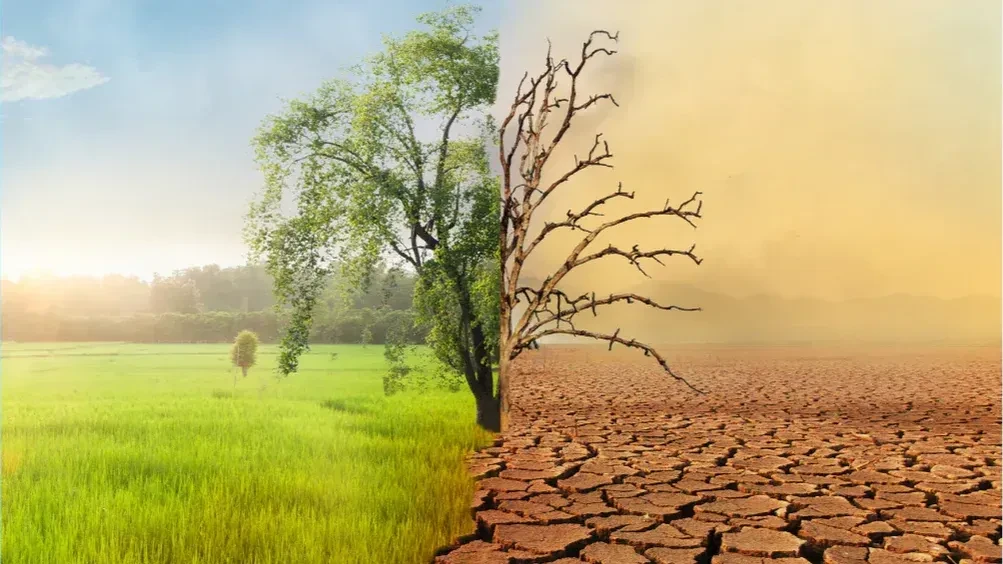
THERE is a rather dry atmosphere during the past month or two, as end of year seasons tended to be drenched in rain in many parts of the country, but then weather patterns are far less predictable than was the case earlier.
Thus it wasn’t surprising to hear that what nearly everyone had experienced in private, thinking it was a localised phenomenon, was actually a widespread, touching most parts of the city of Dar es Salaam, and raising acute questions about the future.
Irrigation is usually the first casualty when water flows decline, as the pumping directed at estate agriculture can have a crushing impact to pumping to the city. At times those with clear memories of past preferences of water managers in the city and other urban areas suspect that they are at it again.
This is because some water authorities are parts of local government structures and might prefer to see water sold in boozers to simtanks, and from the latter to neighbourhood consumers. That was too often the case until the discipline and no-nonsense presidency came in, where water wholesalers got fright and water started to flow more regularly to homes.
Much the same was true of being connected with electricity, by paying for the poles, where the fees were drastically cut at that time and have gradually climbed back. It took some explanation to get the feeling that residents in several parts of Dar es Salaam Region were facing an acute water shortage for weeks, not perhaps because of the usual ‘boozernomics’ but rather a predictable decline in water flow now that rains are scarce.
There was talk of setting up other pumping sources including taking up water from the much larger Rufiji River where the massive Julius Nyerere hydropower system is built, despite that it adds some logistics demands.
But is altogether feasible as it is within the Coast Region, harbouring the main pumping outlays, assuming that this source is itself not besieged by such dangers.
That is why some diversification of sourcing of water is important in the sense of boosting water catchment prospects and eventually making Ruvu-based pumping systems more or less sufficient.
As Coast Region is quickly expanding in industrial outlays, there is a case for pumping water from Rufiji to that industrial area, if its needs are rising more rapidly for comfort, as city use and demand is equally expanding.
That is why a forestation drive in the Ruvu catchment zone or river basin would be relevant, especially given its environmental adds on, thus making such a plan viable from the start, partially funded with carbon credits.
With household budgets usually tight in a city where 75 per cent of residents have informal sector occupations, the disdain for finding pennies to buy water everyday – and the wish to be selling water as a means to live – are equally expressed.
Public communication or expressions usually focus in the pain felt by residents, but the laughter and glee aren’t far to seek, either. That might be the case, but the leadership has to strive to do the best in the public interest.
Top Headlines












© 2025 IPPMEDIA.COM. ALL RIGHTS RESERVED