




Tasaf’s transformative projects bring vision 2025 to life in rural Tanzania
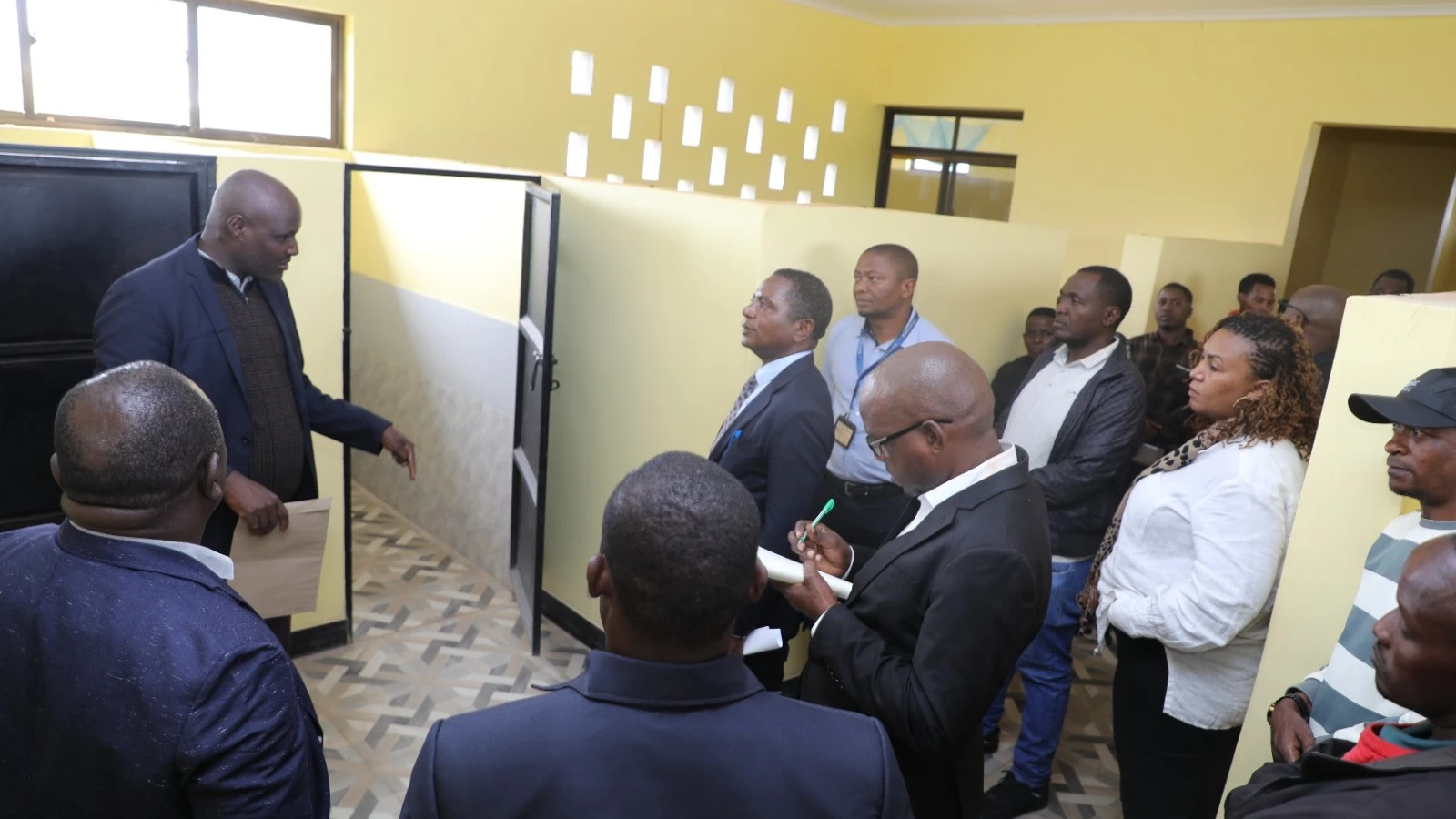
Christina Lucas, a 37-year-old resident of Laja village in Karatu district, Arusha region, cannot hide her joy as she describes the impact of the Laja Secondary School girls’ boarding project. “We are deeply grateful to the government for saving our girls from the daily ordeal of walking 16 kilometers to school and back,” she says.
“Two years ago, when there were no dormitories, students were often forced to stay home, especially during the rainy season, because walking long distances was unsafe and exhausting.”
Laja village, located approximately 45 kilometers from Karatu town, had no secondary school until 2023. Girls and boys were compelled to travel to distant schools, often encountering challenges such as poor road conditions, lack of transport, and safety risks, particularly for female students.
Many students dropped out before completing their studies, undermining educational attainment and limiting future opportunities.
The arrival of Tanzania Social Action Fund’s (Tasaf) five-year Tanzania Poverty Reduction Project Phase IV (TPRP-IV), running from 2020 to December 2025, has changed this reality.
The program, implemented in 33 district councils across five regions—Arusha, Mwanza, Njombe, Geita, and Simiyu—focused on constructing schools, dormitories, health centers, and rehabilitating rural earth roads, directly addressing long-standing infrastructure gaps in remote areas.
The Laja Secondary School project, funded as part of this initiative, represents a tangible outcome of Tanzania’s Vision 2025, demonstrating how targeted social investment can transform rural communities.
The $50 million TPRP-IV project has created significant improvements in the learning environment, enhanced health services, and fostered overall community well-being. Laja village is a prime example, where the presence of modern dormitories has increased access to education, particularly for girls.
Village Executive Officer Daniel Mpigachai explains that the secondary school construction project cost a total of 774.9m/-, of which 659.51 million came from the OPEC Fund via Tasaf, while the remaining 115.44 million was contributed by the community.
This local contribution covered the procurement of sand, gravel, stones, water, and labor wages, illustrating the importance of community engagement in sustaining development efforts.
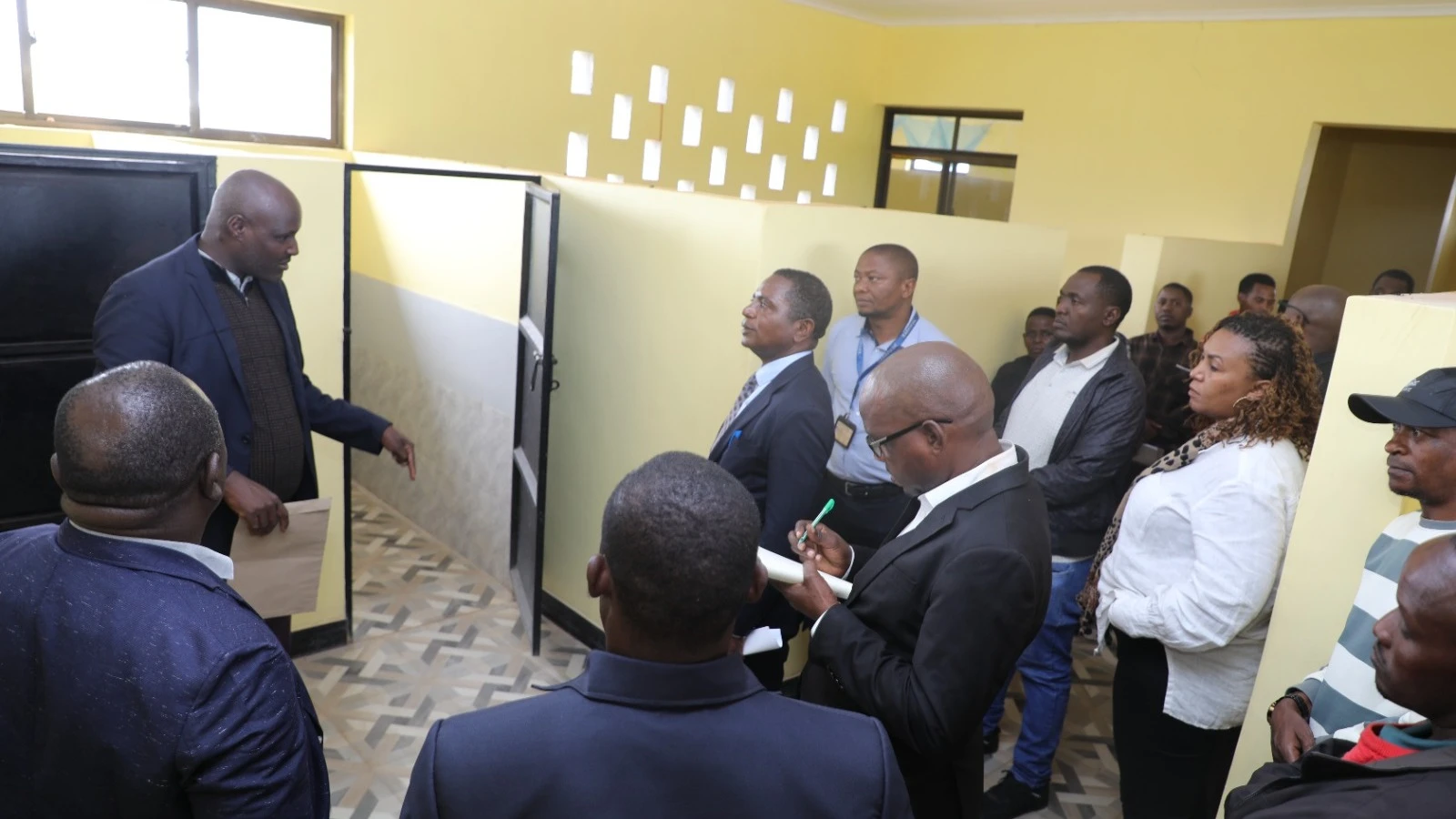
Registered in November 2023, Laja Secondary School began enrolling students in 2024 with 26 Form One students. Today, the school accommodates 63 students across Forms One and Two, all of whom reside in Tasaf-backed dormitories. “The dormitories have played a crucial role in reducing absenteeism and boosting learning morale.
They have also enabled students from neighboring villages to enroll, broadening educational access in the area,” says Mpigachai. Headmaster Daniel Panga adds that the new facilities have motivated children in the village to pursue primary education, knowing that secondary education within the village is now a real possibility.
Tasaf’s Director of Community Support, John Stephen, emphasizes that TPRP-IV has reached over 200,007 households across the 33 district councils, with a response rate of 96.7 percent.
Assessments indicate that the program has made significant strides in promoting gender equity, particularly by supporting girls’ education through the construction of dormitories, classrooms, and sanitation facilities. These interventions have led to increased enrollment, higher retention rates, and a reduction in early pregnancies, thereby creating safer and more supportive learning environments for young women.
Beyond education, the project has strengthened economic resilience among participating households. Tasaf-supported programs enabled families to diversify income sources through non-agricultural self-employment, livestock keeping, and small-scale income-generating activities.
These efforts have resulted in increased household income, improved food security, and an enhanced capacity to meet basic needs, demonstrating that social safety nets and economic empowerment can go hand-in-hand.
Infrastructure development has been a central focus of TPRP-IV. Paul Kijazi, Tasaf’s Public Works and Infrastructure Manager, highlights that 89.78 billion shillings were allocated to rural infrastructure, 3.22 billion to household income-generation activities, and 11.97 billion to public works programs.
These investments facilitated the construction and rehabilitation of classrooms, health facilities, and water sources, directly improving access to essential services and reducing travel distances to schools, clinics, and water points.
The project emphasized inclusive growth by actively involving women and youth in decision-making, savings groups, and leadership roles. “Women’s participation has been a cornerstone of the project’s success, with women constituting 56.5 percent of household heads and actively engaging in management, savings, and leadership,” Kijazi notes.
By empowering women in community leadership and project implementation, Tasaf has strengthened social cohesion and ensured that benefits reach those who are often most marginalized.
Tasaf’s Internal Audit Manager, Uswege Edward, reports that income diversification efforts have yielded tangible results. Many households now earn above 200,000 Tanzanian shillings, while savings groups and credit access have improved financial resilience.
Approximately 88.3 percent of households are aware of savings schemes, and 38.9 percent have increased access to loans, which has enabled them to invest in livelihoods and economic activities. Entrepreneurship training reached 82.4 percent of households, equipping communities—especially women—with skills to develop sustainable businesses and enhance household incomes.
Edward notes that these initiatives align with Articles 8(1)(b) and 9(d) of the 1977 Tanzanian Constitution, which emphasize the government’s responsibility to safeguard citizens’ welfare and promote balanced economic development.
The Tasaf program also reflects President Samia Suluhu Hassan’s vision for a people-centered, results-driven nation, emphasizing human development, productivity, and inclusive growth.
Tasaf Executive Director Shedrack Mziray says that future projects funded by the OPEC Fund will expand to Zanzibar, targeting the islands of Unguja and Pemba as priority areas for the next phase of TPRP. Plans are underway to request over $100 million to support new initiatives aimed at extending the reach of community development programs and further improving education, health, and livelihoods across Tanzania.
“These projects are not only about infrastructure but about transforming lives, fostering opportunity, and creating a sustainable future for our communities,” Mziray says.
The continued collaboration between the government, local communities, and international partners underscores the commitment to realizing Vision 2025, lifting households out of poverty, and creating conditions for inclusive and equitable growth.
In Laja village, the impact of Tasaf’s work is visible in every classroom, dormitory, and rehabilitated road. Students walk safely to school, families enjoy improved livelihoods, and communities have a renewed sense of hope for the future.
As Christina Lucas and her fellow villagers attest, the vision of equitable education, economic resilience, and social empowerment is no longer a distant aspiration—it is being realized, village by village, household by household.
Top Headlines
Trending Stories














© 2026 IPPMEDIA.COM. ALL RIGHTS RESERVED