




Ministry, WHO provide education for trainers to address dental decay
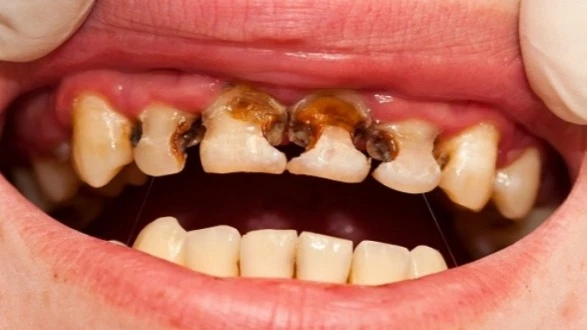
DUE to the high prevalence of dental decay among Tanzanians, with 76percent of adults and 31.1percent of children affected, the Ministry of Health and the World Health Organisation (WHO) have provided training for trainers to address the situation.
The Training of Trainers (ToT) programme, involving participants from approximately 15 towns, has also been supported by the Japan Institute for Health Security (JIHS) and Niigata University, targeting trainers from the regions of Morogoro, Katavi, Arusha, and Mbeya.
Participants also came from Singida, Njombe, Tanga, Ruvuma, Ngara District (Kagera), Mbarali District (Mbeya), Kilolo District (Iringa), as well as from Mbeya College of Oral Health, Muhimbili University of Health and Allied Sciences (MUHAS), and the Tanzania Dental Association.
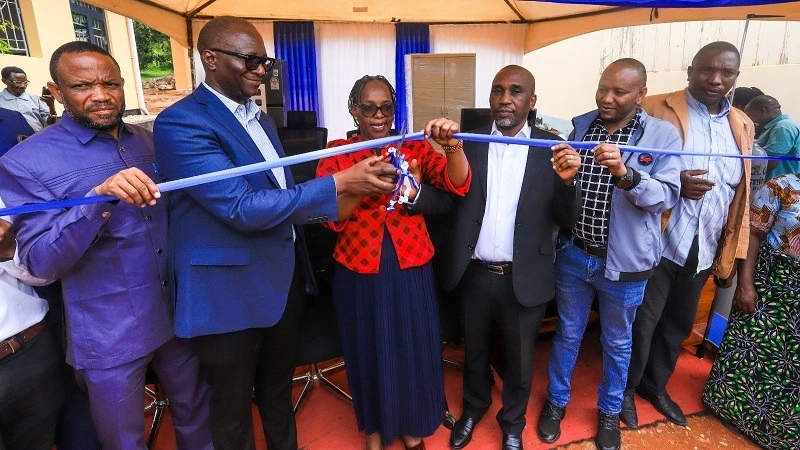
The assistant director of oral health services at the Ministry of Health, Dr Baraka Nzobo, officially opened the training yesterday in Dar es Salaam at Muhimbili University’s School of Dentistry, Muhimbili National Hospital.
He stated that the purpose of the training is for these trainers to instruct their colleagues on the use of WHO-approved medications to prevent dental decay.
“Here in Tanzania, 76percent of adults and 31.1percent of children have dental decay (Tanzania National Oral Health Survey – 2020). Through this training, participants will gain the skills to work within communities to prevent further decay,” he said.
The WHO representative in Tanzania, Dr Alphoncina Nanai, said the training, titled “Provision of Oral Health Services at Primary Health Care Level in Tanzania”, comes at a time when oral diseases continue to be among the most widespread health problems globally, in Africa, and in Tanzania.
“In the WHO African Region, 42percent of people are affected by oral diseases, yet only 17percent had access to essential oral health services in 2021. In Tanzania, 41.7 percent of the population were affected during the same period, highlighting the importance of strengthening prevention, early detection, and treatment at the primary care level,” she said.
She added that in recent years, Tanzania has successfully transformed oral health from a long-neglected area into a national priority.
“Today, Tanzania is among the leading countries in oral health in the African Region. Strong reforms in funding, human resources, service expansion, and preventive strategies, supported by robust collaboration between WHO and partners, are accelerating progress towards national, regional, and global oral health goals.”
Dr Nanai also noted that the integration of oral health into Universal Health Coverage (UHC) is progressing well, and that the 2023 UHC Bill, significant government investment, and expansion of oral health services at primary care centres have enabled coverage in 42percent of health facilities nationwide.
She further stated that Tanzania is deliberately investing in strengthening the oral health workforce and infrastructure, including training and employment of dental therapists, launching new degree programmes at MUHAS, procuring dental equipment and essential medicines, and establishing the East Africa Centre of Oral Health Excellence – all historic and significant steps.
Additionally, she highlighted that preventive efforts through public health interventions are being strengthened, including sugar-sweetened beverage taxes, school oral health promotion programmes, national surveys such as STEPS, and the preparation of a new National Oral Health Strategy aligned with WHO regional and global frameworks.
“This training marks the next stage of the comprehensive capacity-building programme launched in 2024 by JIHS and Niigata University, WHO Collaborating Centres in Japan, in close collaboration with the Ministries of Health in Tanzania, Kenya, and Zambia.
“The first year of this project achieved major successes, including training Chief Dental Officers and pharmacy experts in Japan, preparing national plans to expand oral health services at the primary care level, monitoring the relevant countries, and organising regional meetings to exchange experiences and knowledge.”
She said the course will strengthen understanding of international and regional oral health strategies, including the Tenkai Project and WHO efforts to integrate oral health into UHC.
She also noted that participants will develop cascade training plans, including budgeting and content adaptation to local contexts, to ensure these trainings are scaled up nationally and at council levels in the coming years.
Top Headlines
Trending Stories










© 2026 IPPMEDIA.COM. ALL RIGHTS RESERVED