




Tortoise species facing sharp habitat loss, illegal trade risk
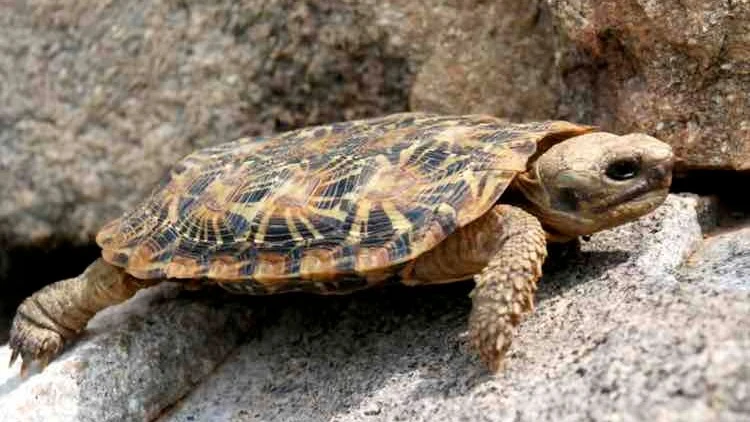
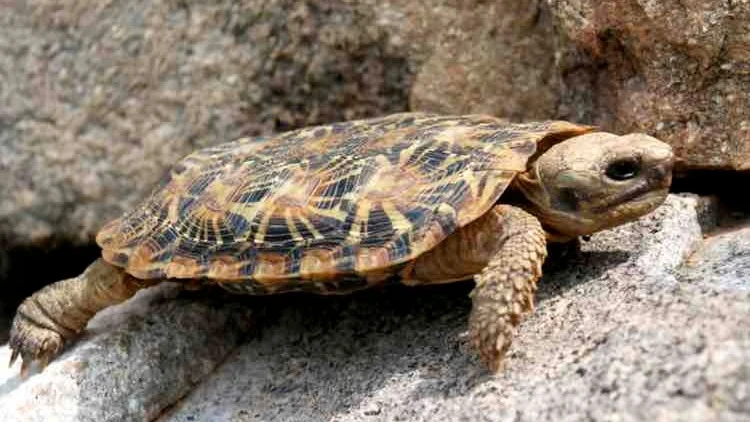
Alarm has been raised over the growing threats facing the country’s diverse tortoise population, with habitat destruction and illegal trade pushing several unique species toward the brink of extinction.
Tito Lanoy, a trainer with the College of African Wildlife Management (Mweka) in Kilimanjaro Region, said in a telephone interview late last week that there are varying levels of risk confronting the tortoise species across sub-Saharan Africa.
While the Leopard tortoise (Stigmochelys pardalis) is currently classified as of least concern due to its widespread distribution across tropical savannas and grasslands, it still faces substantial pressures from agricultural expansion and illegal trafficking, he said.
The local wildlife researcher asserted that the outlook is far more concerning for other tortoise species within the local wildlife scenario, the Pancake tortoise (Malacochersus tornieri) is now listed as tropical savannas and grasslands, critically endangered by the International Union for Conservation of Nature (IUCN).
It faces an extremely high risk of extinction due to its highly specialized habitat requirements and intense collection for exotic pet markets, while the Aldabra tortoise is categorized as vulnerable, threatened by habitat loss and rising sea levels driven by climate change, he explained.
General vulnerability extends to the ‘hinged’ tortoise group, as despite its broad distribution across Eastern and Southern Africa, these tortoises are considered vulnerable globally.
Their survival is undermined by low reproductive rates and intense exploitation for land development and agriculture, he further noted.
Tanzania hosts several species from the genus Kinixys, including Bell’s Hinged Tortoise (Kinixys belliana), Speke’s Hinge-back Tortoise (Kinixys spekii) and the Forest Hingeback (Kinixys erosa) variant, as the tortoises possess a unique evolutionary adaptation, he specified.
It is a movable hinge on the back third of their upper shell or carapace, a feature enabling them to effectively close the rear end of their shell, protecting their tail and hind legs from predators, he said.
Speke’s Hinge-back tortoise, commonly found in Kizigo Game Reserve, has a unique ecological niche as unlike most tortoises, which are strictly herbivorous, Speke’s Hinge-back is omnivorous. It relies heavily on fungi which accounts for up to 41 percent of its diet alongside invertebrates and vascular plants.
The species also engages in aestivation, a form of summer hibernation to survive intense heat and dry conditions, he said, pointing at physical characteristics helping to distinguish species in the wild.
Bell’s Hinge-backs, for example, are often identified by five claws on their front feet, while behaviorally many hinged tortoises wallow in mud to regulate body temperature and protect against parasitic ticks, he said.
Despite the natural adaptation, mortality rates remain high particularly from predators such as ground hornbills, a variety of large hunting birds.
Preserving natural habitats from open plains to forested regions is essential to ensure future generations shall wit[1]ness these ancient reptiles in their native environments, he emphasized.
Urgent conservation measures are needed as many tortoise species remain on the IUCN Red List and require immediate prioritization to prevent further decline, the researcher added.
Top Headlines
Trending Stories




















© 2026 IPPMEDIA.COM. ALL RIGHTS RESERVED