




Five Singida districts get 34 power tiller tractors for hire

THE government has distributed 34 small power tiller tractors to five district councils in Singida Region.
Stanslaus Choaji, assistant regional administrative secretary for economy and production, said at the handover ceremony here yesterday that Ikungi District will get 15 tillers, Mkalama District obtaining 12 of the small tractors, Singida District getting three, Iramba District handed two tillers and Manyoni District also obtaining two tillers.
The move is an effort to make agricultural machinery more accessible and affordable for farmers and is expected to boost productivity and support the national goal of raising agriculture’s contribution to 10 percent of GDP by 2030, he stated.
It seeks to ring agricultural machinery closer to farmers at affordable rental rates, reducing reliance on costly private tractor services, as improved access is expected to enable farmers to expand cultivated land and increase efficiency with a view to doubling current production levels, he explained.
Power tillers will be stationed at ward-level agricultural tool centres for renting at specified rates, so that funds previously spent on hiring expensive equipment can now be redirected by farmers towards purchasing subsidised seeds and fertilisers, he said.
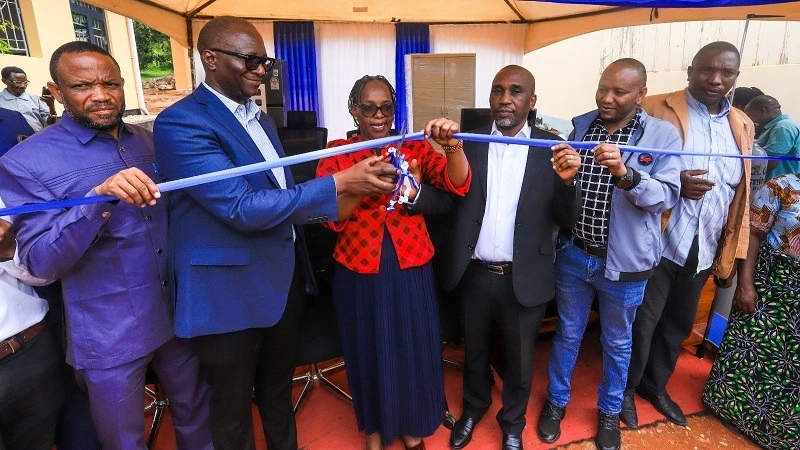
Regional Commissioner Halima Dendego handed over the equipment, praising top leadership for fulfilling the promise to establish ward-level agricultural tool centres for farmers. District councils and farmers will now have to ensure the equipment is used effectively to produce enough food for household consumption and with a surplus available for sale, she emphasized.
Each district needs to establish clear guidelines and operational plans for using this equipment, as the tractors need to be accessible at ward-level centres, not remain idle in council yards, she said.
Inspection is to be conducted in the coming weeks to see how the tools centres have been set up, how farmers are being educated on their use and how the rental process is being managed affordably, the DC intoned.
Agricultural service officers lead by example, as this initiative facilitates the government’s broader agenda to make the country the regional food basket, with subsidised inputs readily available, but success depends on effective use of the tools provided, she added.
Top Headlines
Trending Stories


















© 2025 IPPMEDIA.COM. ALL RIGHTS RESERVED