




Rapid transit 1,000/- fare temporary, says regulator
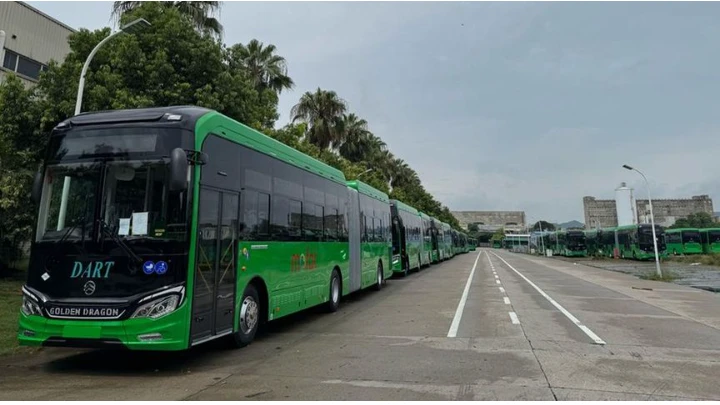
THE current 1000/- fare charged on the rapid transit buses in Dar es Salaam is temporary while the Dar Rapid Transit Agency (DART) submits formal proposals for new fares, the regulator has stated.
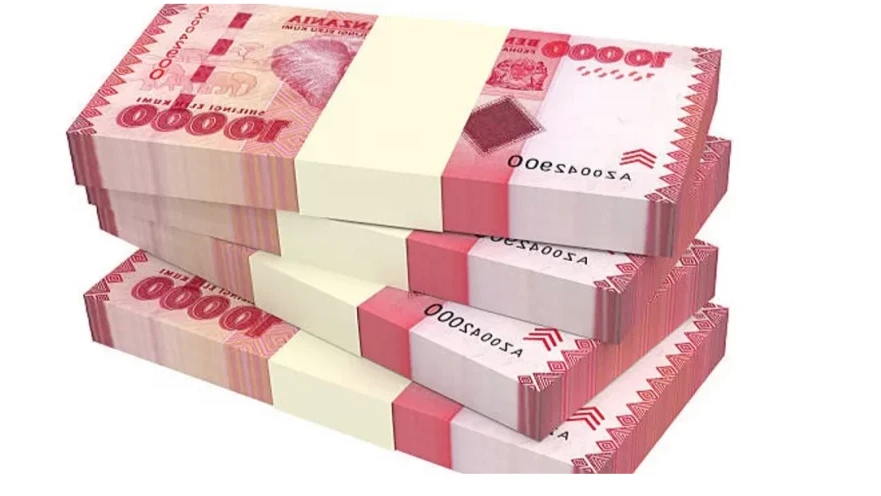
The position was given in reaction to concerns raised by passengers after the fare was increased from 750/- to 1,000/-, with commuters saying that this adjustment has added pressure to household budgets, particularly for low-income earners who depend on the BRT system for daily travel.
Dr. Habibu Suluo, the Land Transport Regulatory Authority (LATRA) director general, issued this explanation in Arusha yesterday at the 18th transport sector performance review meeting. Dr Suluo said the interim fare was approved through a Government Notice issued on August 29, 2025, to allow BRT services to resume smoothly while giving service providers certainty as the system stabilises.
“The fare was approved to enable operators to start providing services as DART prepares and submits formal fare proposals after consultations with transport service providers,” he said. “At this stage, the fare is designed to ensure operators do not incur losses and not meant to generate profits. The expectation is that high passenger volumes will sustain operations and attract more investors into the sector.”
The primary objective of setting the transitional fare was to restore public confidence in the BRT system and encourage wider private sector participation in its operations, he said, commending DART for addressing operational challenges delaying service delivery.
This was particularly the case for Phase Two of the BRT project, with improvements in fare collection system and availability of buses significantly enhancing service reliability, he stated.
He said that LATRA conducted an inspection of BRT Phase Two and witnessed operational challenges which have since been resolved thus enabling restart of services, noting that DART conducted those improvements and strengthened the fare collection system.
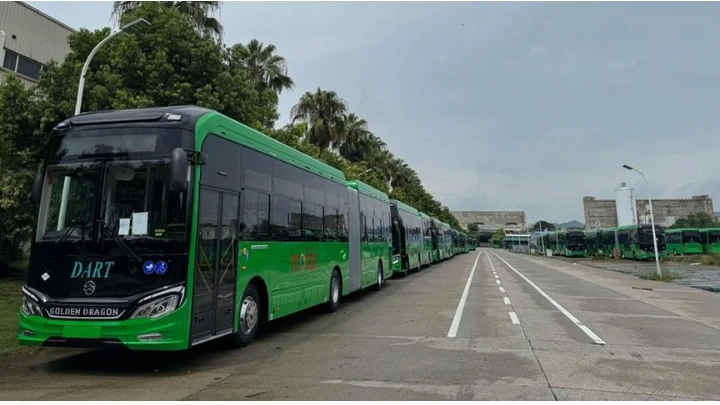
This had increased the number of buses as 60 buses are now redeployed on BRT Phase One routes, he said, while Said Tunda, the DART chief executive officer, said that the government had prioritised citizens’ welfare by keeping fares affordable despite infrastructure setbacks that disrupted services.
This interim fare is reasonable as the goal is not to burden commuters but to ensure the provision of reliable and sustainable public transport, he said, underlining that before the resumption of BRT services, passengers were paying as much as 6,000/- on a long range trip by seeking out motorcycles or tricycle modes of transport.
Under LATRA regulations on charges issued in 2020, transport service providers are required to publicly announce any new fares at least 14 days before implementation through mass media channels accessible to the public, he added.
Top Headlines
Trending Stories











© 2025 IPPMEDIA.COM. ALL RIGHTS RESERVED