




Why Tanzania must strengthen export credit now
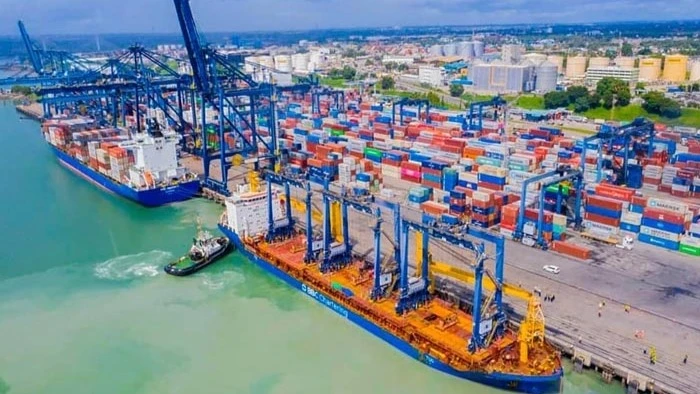
Exporting remains one of the most powerful economic engines for any developing nation, and for Tanzania, the future of sustainable growth, poverty reduction, and industrial competitiveness lies in our ability to expand and strengthen our export sector. Export refers to the sale of domestically produced goods and services to buyers beyond our borders.
It is the process through which a country connects to global markets by supplying what it produces—whether agricultural commodities, minerals, manufactured products, or services—to international consumers. For Tanzania, with its rich natural resources, vibrant agricultural capacity, expanding manufacturing base, and strategic geographical location in East Africa, the potential for export-led growth is immense. However, to fully unlock this potential, Tanzania must overcome the persistent and structural challenges affecting access to export credit, a key driver of international trade.
Exports are fundamentally important to national development because they generate the foreign exchange necessary to stabilize the economy, strengthen the Tanzanian shilling, and enable the nation to import essential goods such as machinery, technology, medical supplies, and industrial inputs. Foreign exchange earnings form the backbone of financial stability, allowing the Government to maintain macroeconomic balance and manage inflation. Beyond currency stability, exports stimulate industrial growth by creating demand that encourages domestic production, expansion of factories, and investment in value addition. Export-oriented industries attract technology transfer, promote innovation, and integrate local companies into global supply chains, which improves efficiency and competitiveness in the long term.
Moreover, exports play a crucial role in employment creation. Millions of Tanzanians rely on export-linked sectors for their livelihoods—farmers who grow cash crops, miners extracting minerals, transporters, processors, warehouse operators, freight forwarders, and logistics companies. When exports increase, these individuals and industries thrive, and the ripple effect spreads throughout the economy. The Government also benefits through increased tax revenues from export duties, value addition, income taxes, and royalties, allowing for more investment in national development projects such as infrastructure, healthcare, and education. Ultimately, nations with strong export sectors experience faster economic growth, broader global influence, and greater resilience against external shocks such as commodity price fluctuations or global financial crises.
Despite the undeniable importance of exports, Tanzania’s export sector faces serious challenges—most of which stem from limited access to export credit. Export credit refers to financial support provided to exporters to produce, ship, and sell goods abroad. It includes loans, guarantees, and insurance that allow exporters to operate confidently in international markets. Unfortunately, many Tanzanian exporters, particularly small and medium-sized enterprises (SMEs) and smallholder farmers, struggle to obtain the financing needed to expand production or meet international demand. Commercial banks are often reluctant to provide export loans due to high perceived risks, lack of adequate collateral from borrowers, unstable cash flows, and the uncertainty involved in cross-border transactions.
One of the most pressing challenges is the high cost of financing. Interest rates for export loans remain significantly above what is affordable for many SMEs and cooperatives. Most farmers do not possess formal financial records, audited accounts, or collateral that satisfies bank requirements, leaving a substantial portion of the export value chain underfunded. The absence of accessible export credit insurance and guarantees further discourages banks from lending, since they lack adequate protection against buyer default or political risk. Tanzania does not yet have a fully mature, well-capitalized national export credit agency capable of providing comprehensive risk mitigation tools similar to those available in developed and emerging economies.
In addition, currency instability remains a major challenge. Exporters often receive payments in foreign currencies such as USD or EUR, while loans from domestic banks are issued in Tanzanian shillings. When the shilling depreciates, repayment becomes more expensive, creating financial pressure for exporters and increasing the perceived risk for lenders. Without proper hedging tools and foreign exchange risk management systems, both exporters and financial institutions face instability that slows down export expansion.
Another challenge is the lack of reliable trade information and market intelligence. Many Tanzanian exporters operate without access to accurate data on international market trends, global commodity prices, required product standards, or the creditworthiness of foreign buyers. This information gap weakens their bargaining power, reduces their competitiveness, and increases the risk of non-payment in foreign markets. Financial institutions also struggle to assess risk accurately in the absence of structured data on global buyers, making them less willing to provide export financing.
Infrastructure limitations further complicate the export environment. Inefficiencies in port operations, delays in customs clearance, inadequate cold chain facilities for perishable goods, and poor rural road networks all contribute to high logistics costs. These challenges reduce Tanzania’s competitiveness against regional and global exporters and discourage banks from financing high-risk, high-cost export activities. Additionally, small and medium-sized exporters are often excluded from export credit due to limited financial literacy, lack of formal registration, and weak documentation practices.
To address these challenges, Tanzania must take bold and coordinated steps to strengthen its export credit system. First, the Government and regulators should establish or reinforce a national export credit agency that can provide financing guarantees, export insurance, political risk cover, and support for international trade transactions. Such an agency must be well-capitalized, professionally managed, and structured to work closely with commercial banks, cooperatives, and exporters across all sectors.
Secondly, Tanzania needs a government-backed Export Credit Guarantee Fund designed specifically to share risk with financial institutions. This fund would encourage banks to offer export loans at lower collateral requirements and more affordable rates. By reducing the risk carried by lenders, SMEs and farmers would gain greater access to financing, enabling them to expand production and supply international markets more efficiently.
The Government should also focus on stabilizing the foreign exchange environment by improving forex reserves, strengthening monetary policy management, and introducing hedging instruments that allow exporters to protect themselves against currency fluctuations. Such measures would increase predictability for exporters and lenders alike.
Enhancing trade intelligence systems is equally essential. Government agencies and regulators should develop digital platforms that provide exporters and financial institutions with real-time information on international demand, global prices, buyer ratings, trade regulations, and product standards. Access to reliable data increases confidence, reduces risk, and empowers Tanzanian exporters to engage competitively in global markets.
Furthermore, investment in export-related infrastructure must be prioritized. Expanding port capacity, modernizing customs processes, upgrading rural and national roads, and building more warehouses and cold chain facilities will reduce logistics costs and increase the efficiency of trade. Efficient infrastructure raises confidence among lenders and improves Tanzania’s attractiveness as a global supplier.
SME exporters should also be supported through targeted capacity-building programs that promote financial literacy, export readiness, documentation compliance, and product certification. The Government should work with private sector players such as ECFS to deliver training and advisory services that empower SMEs to meet international standards and qualify for export credit.
In the midst of these challenges, Export Credit Financial Services (ECFS) has emerged as a transformative Microfinance Institution (MFI) uniquely focused on supporting Tanzanian exporters. As a growing institution, ECFS offers several strategic advantages that strengthen Tanzania’s export ecosystem. First, ECFS provides tailored financial solutions designed specifically for export value chains, bridging the financing gap left by traditional banks. Unlike general lenders, ECFS understands the intricacies of export cycles, international payment structures, and cross-border risks—allowing it to design products that match the realities of exporters on the ground. Second, ECFS promotes inclusive financing by supporting SMEs, smallholder farmers, producer cooperatives, and emerging exporters who are often neglected by conventional financial institutions. By offering flexible financing terms, simplified procedures, and accessible credit assessments, ECFS ensures that local producers can participate effectively in global trade.
Additionally, ECFS plays a vital role in offering export advisory and trade information services. The institution provides exporters with crucial market intelligence, buyer verification, export readiness training, and compliance guidance, significantly reducing transaction risks. ECFS also aims to expand into export credit insurance and guarantee services, enhancing confidence among both exporters and local lenders. As a Tanzanian MFI rooted in trade finance, ECFS has the potential to grow into one of the country’s leading export financiers—strengthening value chains, empowering communities, and contributing directly to Tanzania’s GDP growth. The institution’s long-term vision supports national goals under the industrialization agenda, agriculture modernization policies, and regional trade expansion strategies such as AfCFTA.
Finally, the Government must deepen regional and international trade cooperation, particularly through AfCFTA, by harmonizing regulations, simplifying cross-border procedures, and creating regional payment systems that reduce forex risk. Strong collaboration between the Government, commercial banks, cooperatives, insurers, and private export finance institutions is essential to building a modern and inclusive export financing ecosystem.
In conclusion, exports form the backbone of Tanzania’s economic future. Strengthening export credit is not merely a financial reform—it is a national strategy for prosperity. By creating responsive policies, investing in export-focused institutions, enhancing infrastructure, and supporting exporters at every level of the value chain, Tanzania can unlock its true potential as a competitive global trading nation. As the CEO of Export Credit Financial Services (ECFS), I am confident that with the right reforms, Tanzania can build a stronger, more resilient, and more prosperous export sector that benefits every citizen and positions our nation for long-term growth on the global stage.
By Joseph R. Waryoba, CEO
Export Credit Financial Services (ECFS)
____________________________________________________________________________________________
Top Headlines
Trending Stories





















© 2025 IPPMEDIA.COM. ALL RIGHTS RESERVED