




Too little funding for city water needs, while leaks needlessly reducing supply
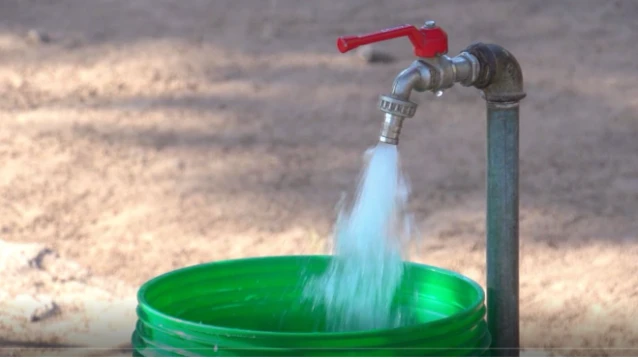
MANY will draw similarities between the biting shortage of water currently experienced in parts of our country and the long queues of the 1980s for essential supplies in homes – not to speak of the month-end bank queues that saw many customers waiting for long hours on end to cash their monthly pay cheques.
This similarity is not altogether an accident as the financial intermediation has seen vast changes, including the onset of online operations. One can purchase electricity by a mobile money transaction, while getting power connected may need up to 1m/-.
Hearing of the water shortage and how it is explained reminds one of the bottlenecks of the supply and distribution of most essential commodities in the past. While the streets of Dar es Salaam are bustling with traffic and commerce, the scramble for water begins at dawn in numerous areas of the city, in a way a sharp reminder of public sector inefficiencies.
Tanzania and the rest of Africa have taken at least six decades from independence learning the limitations of public sector monopoly in economic activity. These factors combine to make life difficult for nearly everyone without salaried employment of renting some posh housing facility in the city or elsewhere, when it is on much the same core values of nationalism that we build our defences.
This outlook is apparently unaware that it is these same groups of companies that need to have sufficient confidence in our economic and social development to be confident enough of attracting money into the country – which would, for instance, facilitate the connection of Dar es Salaam with new water generation outlays at Rufiji River.
It will take years if this project waits for the world to bring in the money as development assistance, thus intensifying current woes, while joint ventures would likely work faster and better. That is the trap that administrators currently face, as some have spent years blocking the shift from relying on the private sector and have as a result failed to make a difference in economic promise for the populace.
They thus see the need for alternative individuals who could deliver whether it is an experiment or whatever and when they are prevented, it is those same foreign interests we see looking to take over our resources, and they wait to see what we do next.
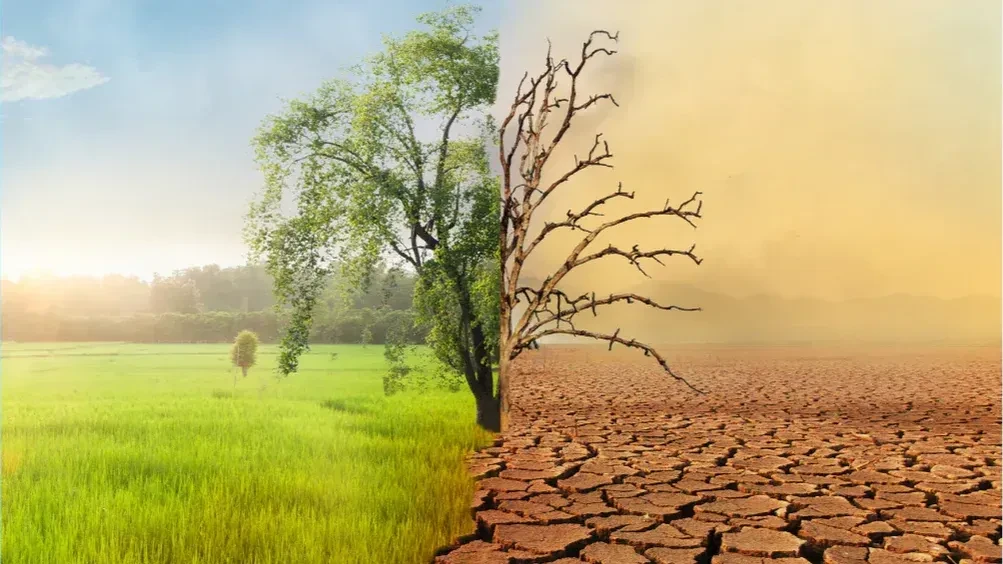
This will highly likely see the water situation worsen as climate change is diminishing traditional ways of supplying water to the likes of Dar es Salaam and global policy changes make it next to impossible for us to land a major water supply project, along with a thorough re-laying of pipes across needy parts of the country.
It is a big blessing for the country that we now have the Tanzania Public Private Partnership Centre which, in the best of circumstances, could play a pivotal place in turning around our social and economic development.
Top Headlines
Trending Stories











© 2025 IPPMEDIA.COM. ALL RIGHTS RESERVED