




Farmers call for sesame’s indicative price
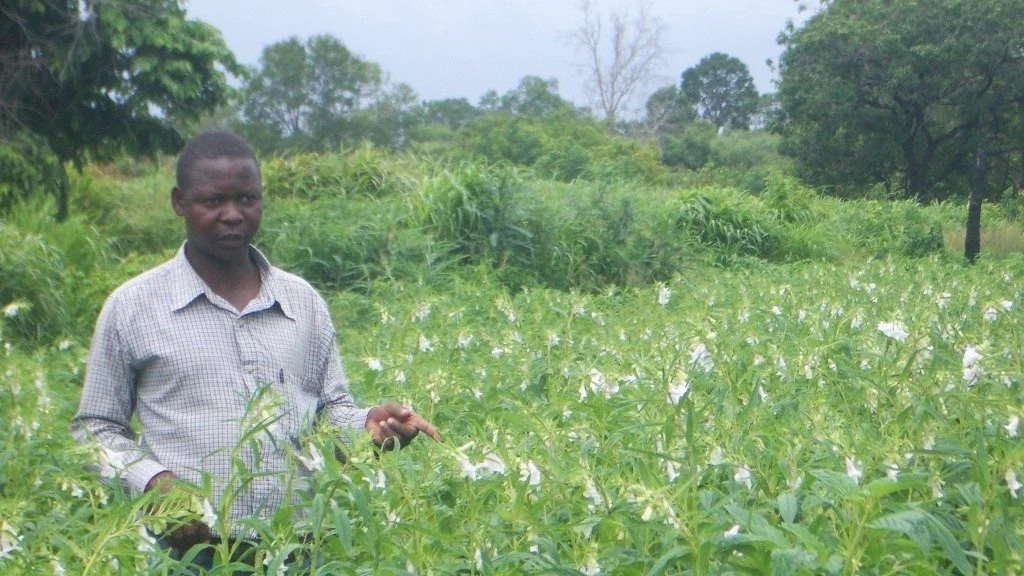
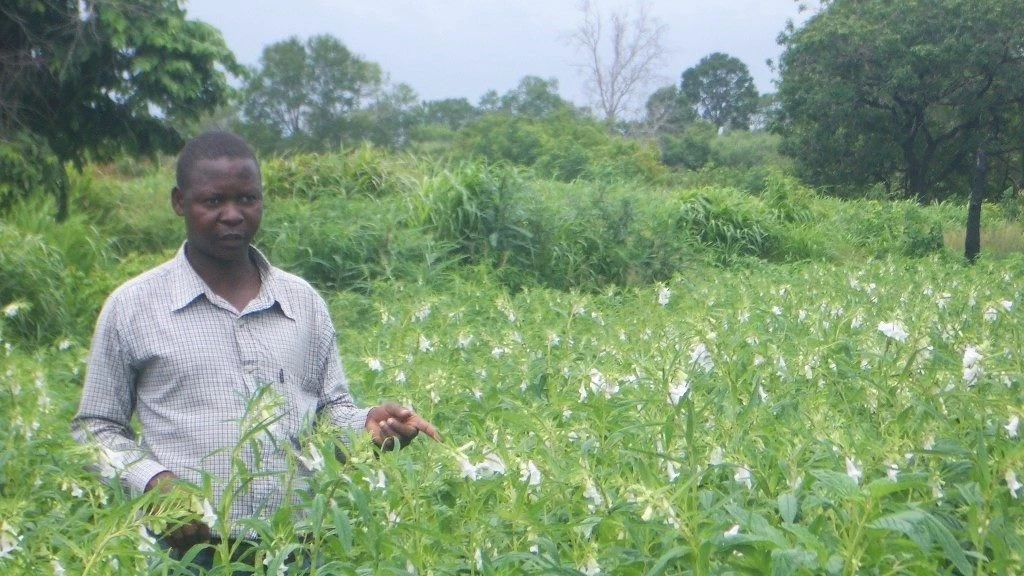
A total of 15,513 small-scale farmers in Miguruwe Ward, Kilwa District, Lindi Region, are calling for government intervention to set an indicative price for sesame, proposing an increase from 2,700/- to between 3,200/- and 3,500/- per kilogram.
The farmers say the adjustment would enable them to benefit meaningfully from the crop, improve their livelihoods and build modern houses, as was the case in previous years. They raised their concerns over the weekend in interviews conducted by telephone, calling on the Minister for Agriculture and the Kilwa District Executive Director to visit the area for face-to-face discussions with farmers in order to understand their challenges and identify solutions.
Speaking on behalf of the farmers, Miguruwe Ward Executive Officer Mariam Mkalipa said yesterday that producers are demanding a price increase due to the high costs involved in controlling pests and diseases that affect sesame.
She explained that pests attack the crop once it starts forming seeds and that sesame is vulnerable to a range of diseases. In addition, the farmers want the sesame auction market to be held in Miguruwe village, rather than elsewhere, with buyers attending the auction locally.
Holding auctions in the village, she said, would allow farmers to meet buyers directly, hear the prices being offered and determine whether those prices are fair. “We want sesame auctions to be held where farmers are based so that they can hear the prices offered by buyers, instead of in Nangurukuru area, where there are no farmers,” she said.
According to Mkalipa, direct interaction with buyers would enable farmers to explain the challenges they face in production and allow buyers to better understand why prices need to be adjusted so that both sides benefit.
She added that farmers are operating in a difficult environment and that prices offered through the Agricultural Marketing Cooperative Society (AMCOS), the main channel for selling their produce, are extremely low.
“They are therefore asking for government intervention and for dialogue with AMCOS so that sesame auctions can be conducted in our village. Farmers want to meet buyers in person instead of having auctions held in places where there are no producers,” she said.
Mkalipa said Miguruwe Ward has four villages: Zingakibaoni, Namtepela, Nakingombe and Miguruwe.
One of the farmers, Shafii Kitala from Miguruwe village, who owns 35 acres of land, said they are also asking AMCOS to ensure timely payments after the sale of sesame.
“We kindly request AMCOS to pay farmers on time. We operate under difficult conditions and spend a lot of money combating pests and diseases that affect the crop,” he said.
He added that some farmers borrow money from individuals to finance production. In some cases, borrowing 100,000/- requires repayment in the form of a 100kg sack of sesame after harvest.
“That is why we say the price is too low. It should be adjusted to at least 3,200/- or 3,500/- from the current 2,700/- or 2,800/-,” he said.
Kitala noted that better prices would help farmers improve their livelihoods, build modern houses and start additional income-generating activities that could create employment opportunities for young people in the villages.
Timely payments, he added, would also help farmers repay their loans, noting that many cannot access bank credit.
He reiterated the call for auctions to be held in Miguruwe village instead of Nangurukuru, saying direct engagement between farmers and buyers could lead to fairer pricing.
Miguruwe village already hosts a local market (Gulio), where farmers and traders gather to sell their products.
To help farmers benefit more from sesame production, he suggested that AMCOS could set aside a specific day for sesame auctions in the village and inform farmers in advance so they can attend, meet buyers and hear the prices being offered.
“This would also help farmers judge whether the prices are fair, considering the challenges involved in producing the crop,” he said.
Kitala said farmers have repeatedly asked AMCOS to hold auctions in Miguruwe village, where most producers are based, but without success.
“Despite our requests, nothing has changed. Auctions continue to be held in Nangurukuru, where there are no farmers. We do not understand why this location is chosen,” he said.
He said sesame farming requires significant investment, including land rental, land preparation, weeding, spraying pesticides, harvesting, hiring casual labour due to lack of tractors, and transporting produce to AMCOS collection points.
The farmers are therefore demanding better prices, noting that in 2020 sesame prices rose from 2,500/-–2,800/- to 3,800/-– 3,900/- per kilogram, enabling many villagers to build modern houses, buy motorcycles for commercial use and open shops.
“Many of those businesses have now closed because prices are too low. We ask the government to help us so that we can get a fair price,” he said.
Top Headlines
Trending Stories










© 2026 IPPMEDIA.COM. ALL RIGHTS RESERVED