




Ending digital violence: Young Tanzanians need GBV education in schools, enhanced protection
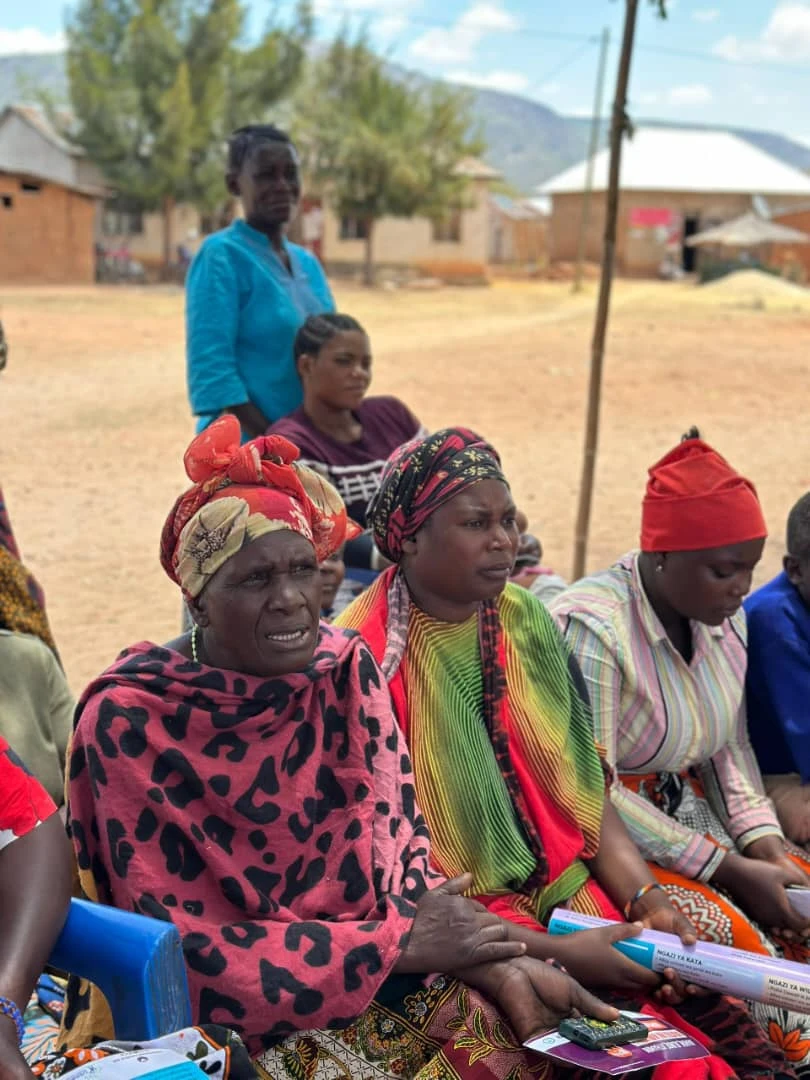
Digital and Gender-Based Violence (GBV) is rapidly becoming one of the most pervasive forms of abuse affecting women and girls worldwide. As digital spaces expand, so do the risks, including cyberbullying, online harassment, non-consensual sharing of images, and other forms of digital exploitation. According to UN Women Africa, cases of digital abuse are increasing at a worrying pace, yet the majority go unnoticed or unreported. These attacks damage reputations, instill fear, and silence women’s voices in both online and offline spaces.
In response to this growing concern, students from Kilolo District in Iringa Region are calling for digital literacy and GBV education to be formally included in Tanzania’s school curriculum. They believe that equipping young people with these skills early will foster a safe, informed, and equal environment for all learners.
Students argue that integrating digital and GBV topics into the curriculum would help them recognize the signs of abuse, intervene appropriately, and build a culture of mutual respect. “By empowering youth from the ground level, we will learn how to engage safely online and contribute positively to equality in society,” said Sophia Alphonce, a Form Three student at Lord’s Hill Secondary School in Ilula Ward.
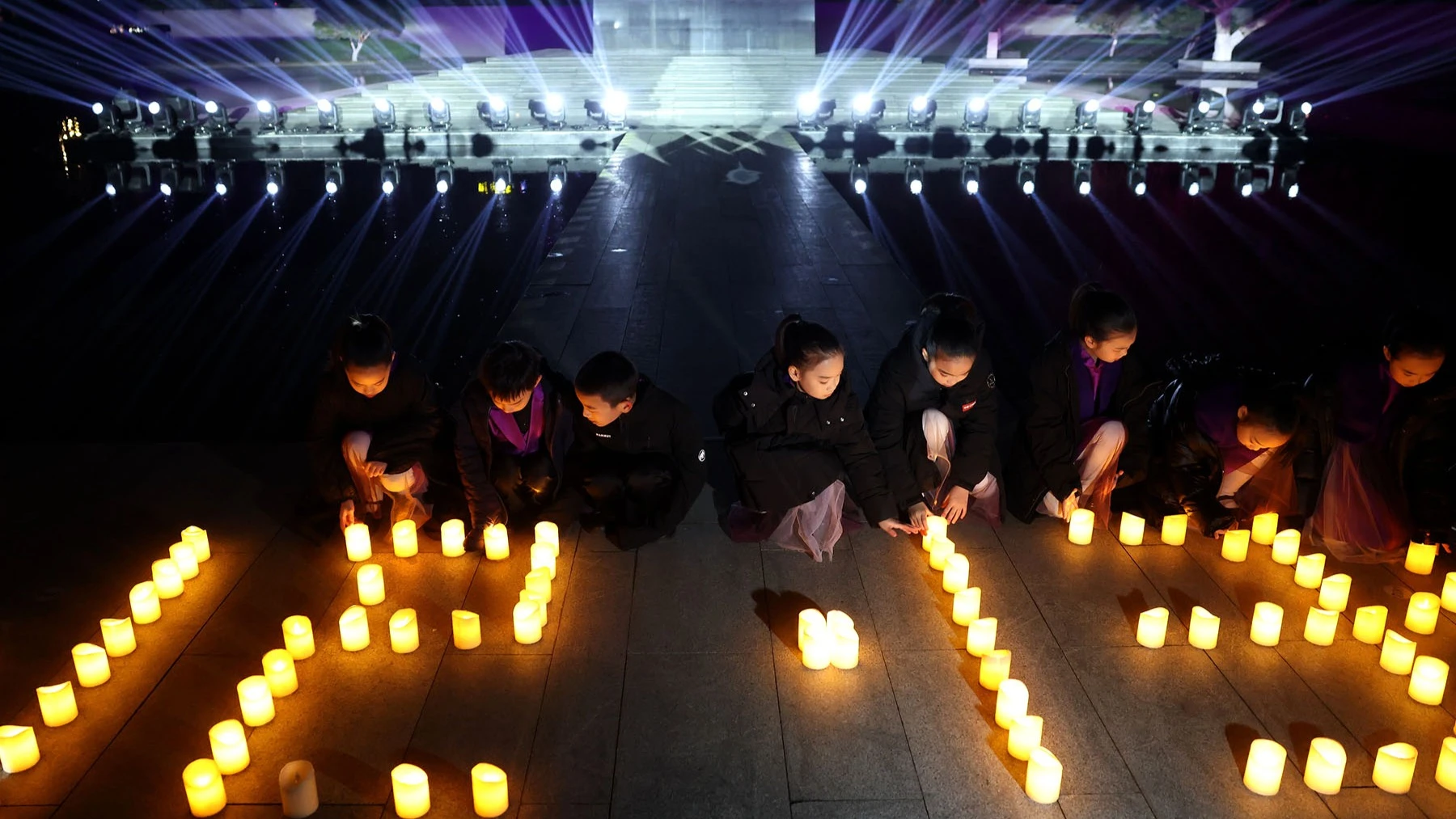
Speaking during the school’s commemoration of the 16 Days of Activism Against Gender-Based Violence, Sophia added that early education enables girls to develop confidence, advocate for themselves, and seek help when facing GBV. Her remarks echo the views of many young people in the region who feel vulnerable yet under-informed about digital safety.
This year’s global theme, “Unite to End Digital Violence Against Women and Girls,” highlights the urgency of addressing online abuse, especially in Tanzania where digital access has increased but online protection remains inadequate.
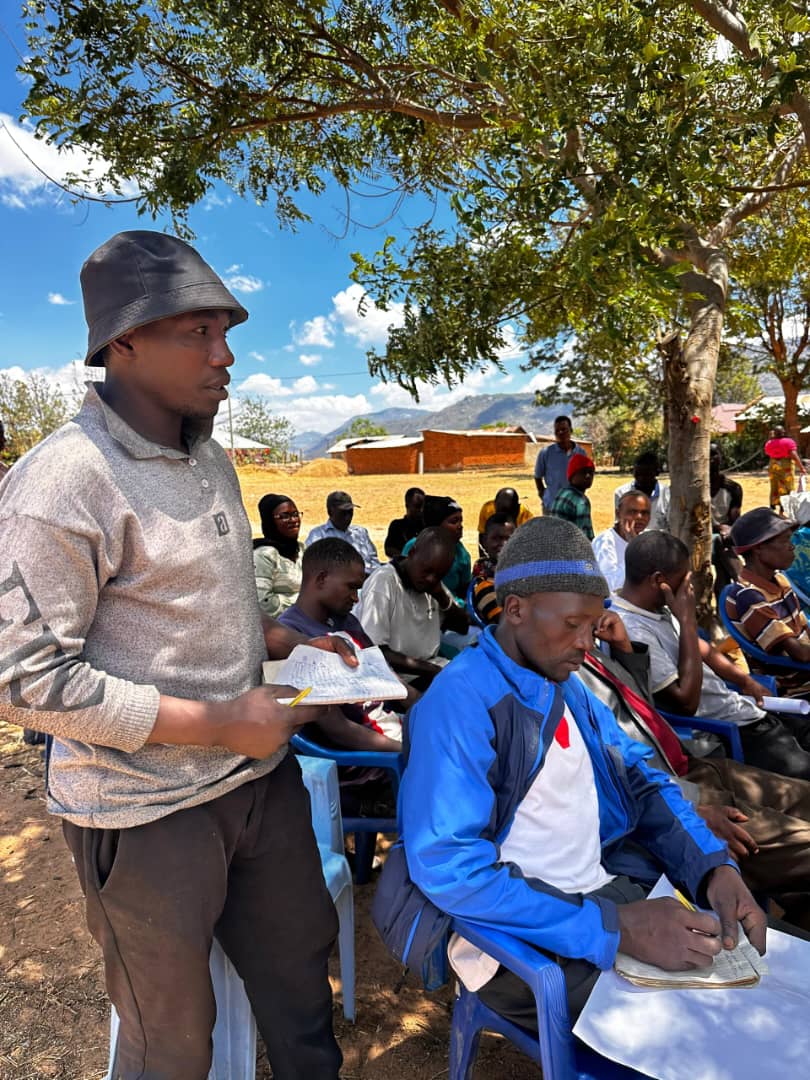
In Kilolo District, Norwegian Church Aid (NCA) and its partner, Ilula Orphan Program (IOP), conducted awareness campaigns aimed at improving young people’s understanding of GBV—both digital and physical—and encouraging communities to take collective action.
Form Three student Fredric Chaula noted that young girls and students are particularly vulnerable to GBV and often do not know what to do when confronted with harmful situations. He emphasized that government and community stakeholders should expand education on all forms of GBV and provide clear information on where support can be found.
Another student, Elmina Kikoti, stressed that empowering youth builds their capacity to resist abuse and dismantles harmful norms that fuel GBV. “Through youth empowerment, we can change the attitudes and behaviors that support violence,” she said.
School Headmaster Patric Titus reaffirmed the importance of early education, reminding students that digital and gender-based violence can have long-term effects on a person. He said the campaign seeks to promote safe, inclusive, and accountable digital spaces while addressing broader GBV in homes, schools, and communities.
According to Utanga, the campaign strengthens community action, enhances collaboration among organizations working to end GBV in Tanzania, and encourages policy dialogue to promote safer digital and physical spaces. The initiative aims to change behaviors and systems that enable violence to continue unchecked.
Globally, the 16 Days of Activism—from 25 November to 10 December—call for solidarity to end violence against women and girls. Yet, despite decades of advocacy, GBV remains stubbornly persistent. The World Health Organization (WHO) reports that in the past year alone, 11% of ever-partnered women aged 15 and above experienced physical or sexual violence by an intimate partner. Progress is slow, with only a 0.2% annual decline in prevalence worldwide.
Sexual violence outside intimate relationships is also widespread but vastly underreported, with WHO estimating that 8% of women have experienced such violence, though the true figure is likely much higher. Violence affects all age groups: 16% of girls aged 15–19 have experienced recent intimate partner violence, while 4–5% of older women aged 60 and above are also affected, despite being underrepresented in data and policy discussions.
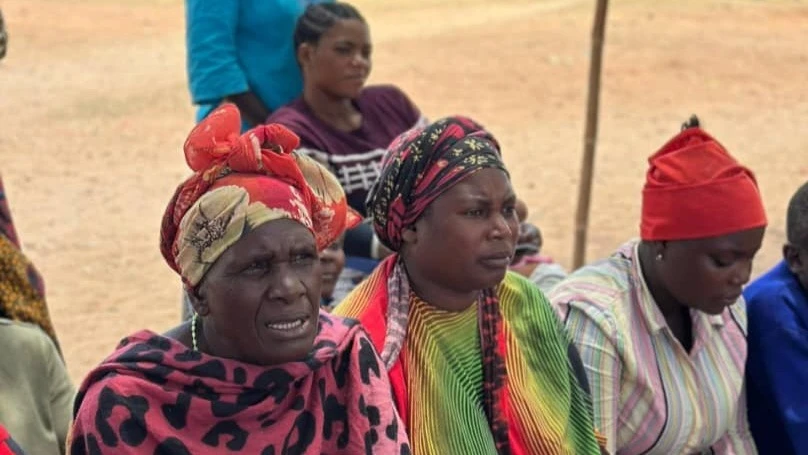
During the Kilolo commemoration, community members in Lugalo Village echoed the students’ calls for stronger action. They urged the government to reinforce laws addressing digital violence and increase collaboration with technology companies to ensure safer online environments.
Cosmas Mbogoni, a 33-year-old father of two, shared his personal experience of digital abuse. After posting a harmless family photo on Facebook, he was subjected to insults and online attacks. “I was deeply hurt. It has been eleven months, and I have deleted all my accounts because it was too painful to be insulted for no reason,” he said.
Reverend Caristus Mgagala of the Pentecostal Church also spoke about his experience with digital violence, noting that it caused psychological distress. He called on the government and stakeholders to join efforts in combating digital and physical GBV, suggesting the establishment of a dedicated help desk for victims in rural areas.
Matilda Chaula, a mother of four, emphasized that GBV often begins at the family level and then spreads into wider society. She urged the government and NGOs to promote education on respectful behavior and proper online conduct from primary school onward. “We need systems that teach the value of respect and guide the community on how to use technology safely,” she said.
NCA’s GBV Programme Lead, Zaria Mwenge, reminded the community that all people are equal before God and before the law. She encouraged villagers to appreciate one another and avoid allowing daily frustrations to fuel violence. “GBV has very serious effects on victims, and some are difficult to recover from,” she warned.
Top Headlines
Trending Stories
















© 2025 IPPMEDIA.COM. ALL RIGHTS RESERVED