




MNH intensifies drive for research funding to boost specialised healthcare
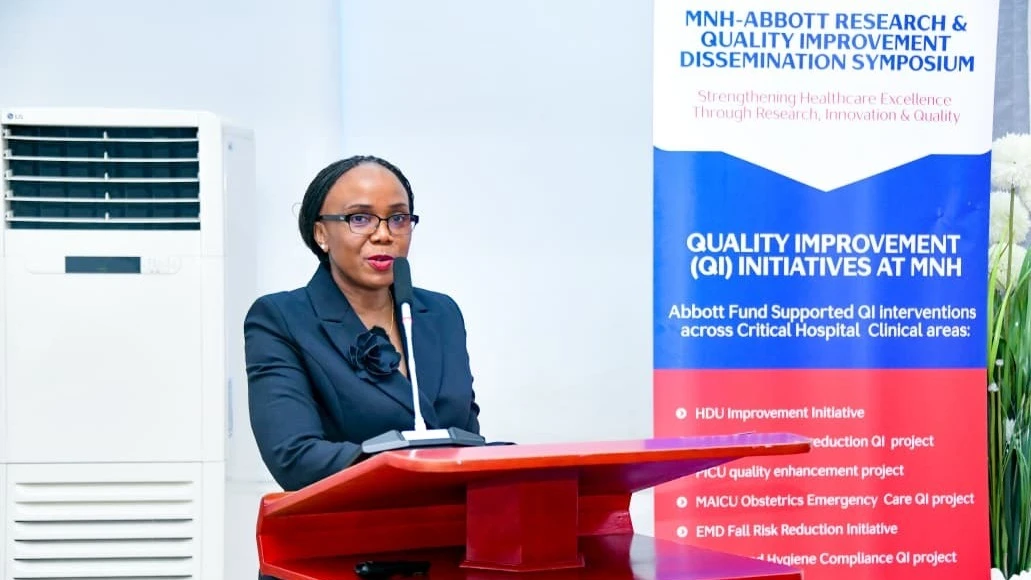
Muhimbili National Hospital (MNH), is scaling up its pursuit of both local and international research grants as part of a broader strategy to enhance scientific studies that fuel improvements in specialised healthcare services across Tanzania.
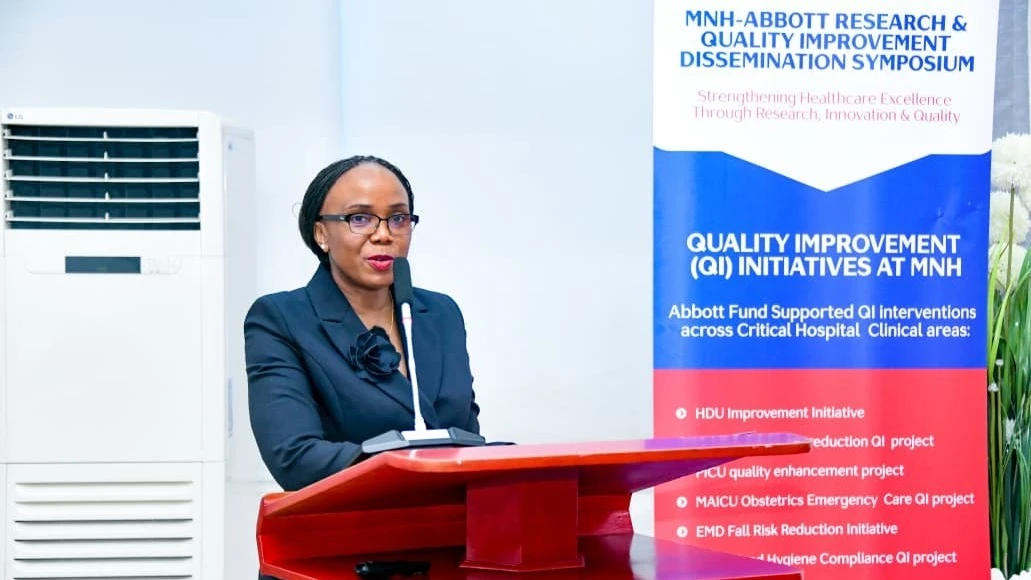
Speaking on Friday, December 12, 2025, during the launch of a new research journal featuring a variety of studies conducted at the hospital, MNH Executive Director Dr. Delilah Kimambo highlighted the hospital’s commitment to advancing evidence-based medical practice.
She noted that MNH’s long-term goal is to ensure that research findings directly support national health policy development, improve clinical training, and inspire innovations in medical technology suited to the country’s needs.
“We cannot strengthen or introduce superspecialised services without strong research foundations. For example, we would never know whether kidney transplant services are necessary unless our studies confirm the demand,” she said.
To meet this goal, Dr. Kimambo explained that MNH is broadening its research portfolio to attract more funding aimed at identifying public health needs, improving service delivery, and establishing new advanced medical services.She emphasised that research not only improves clinical practice but also provides policymakers with dependable data to guide the evolution of healthcare services, while enhancing the skills of health professionals.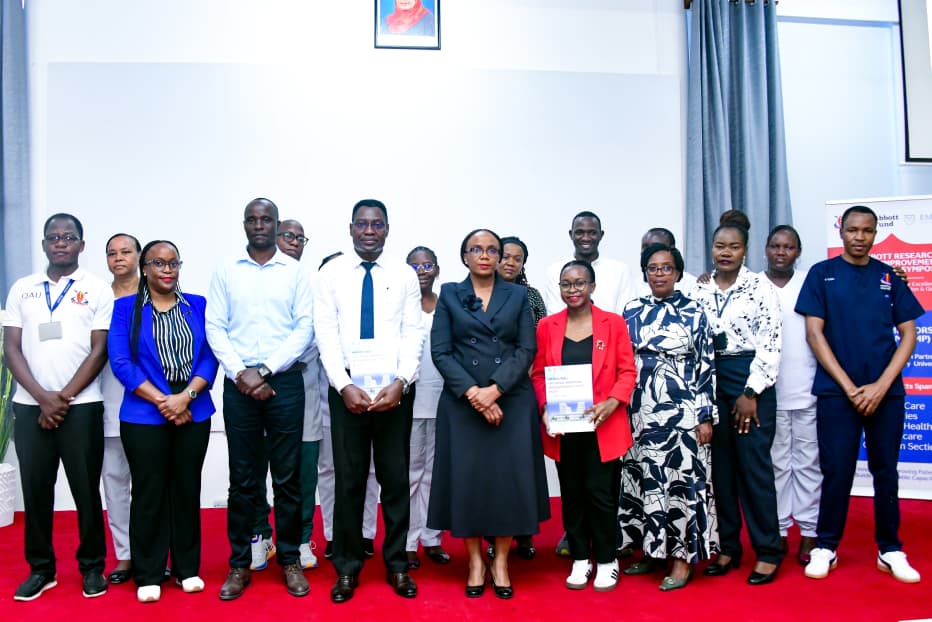
According to Dr. Kimambo, several internal studies have led to major advancements in critical care, oncology, cardiology, maternal and child health, and specialised surgical services. Institutions such as the Jakaya Kikwete Cardiac Institute (JKCI), Ocean Road Cancer Institute (ORCI), and Muhimbili Orthopaedic Institute (MOI) were established after research revealed significant gaps in Tanzania’s specialised healthcare landscape.
She further pointed out that innovations like day-care chemotherapy, modern diagnostic tools, and minimally invasive surgical procedures were adopted after evidence proved their effectiveness and cost-efficiency.
“No patient wants to remain hospitalised longer than necessary. Our studies have made it possible for us to expand interventional procedures that reduce hospital stays and improve recovery outcomes,” she said.
Dr. Kimambo also underscored MNH’s contribution to shaping national health policies. Research conducted at the hospital showed that many cases previously referred to MNH could be managed at lower-level health facilities, prompting increased government investment in regional and district hospitals. This has allowed MNH to focus more on specialised and superspecialised care.
Looking ahead, she said MNH will continue building local and global partnerships to strengthen expertise, attract more funding, and advance clinical trials addressing Africa’s unique health challenges.
MNH Public Health Specialist, Mr. Anord Nyanana—who researched cooking-related burn injuries and safe use of liquefied petroleum gas in Dar es Salaam—affirmed the importance of research in transforming the health system.
“After noticing a rise in burn injuries linked to cooking gas, I decided to conduct a study that could contribute to better service delivery, enhance professional skills, strengthen national policies, and expand modern healthcare services to reach more people,” he said.
Top Headlines
Trending Stories











© 2025 IPPMEDIA.COM. ALL RIGHTS RESERVED