




Call for strong leadership to tackle development barriers
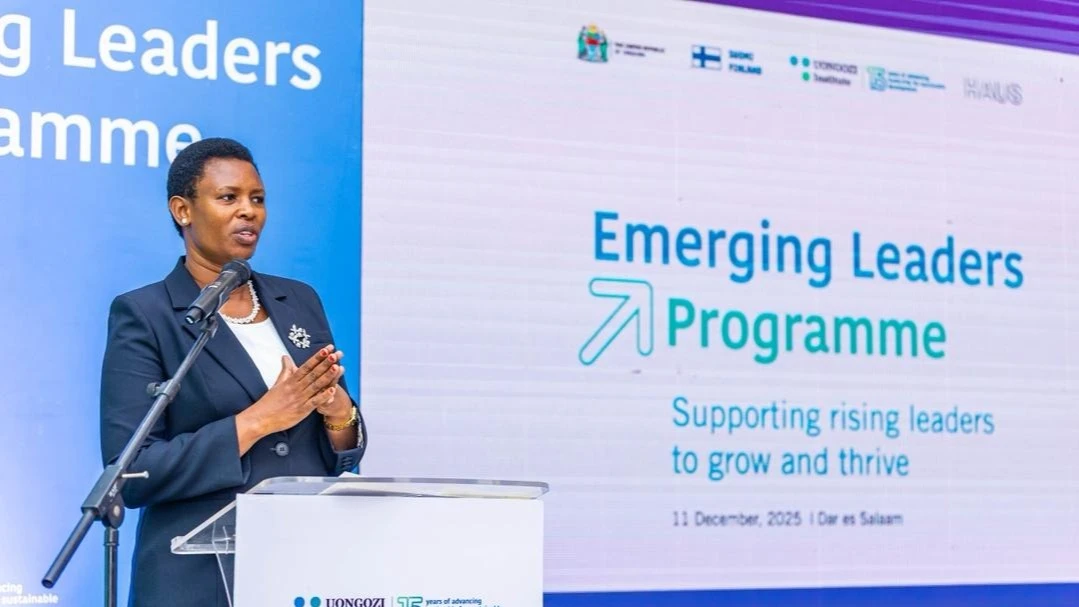
TANZANIA’s 2030 and 2050 development ambitions face serious strain unless a new generation of leaders emerges to tackle escalating economic, administrative, and social challenges.
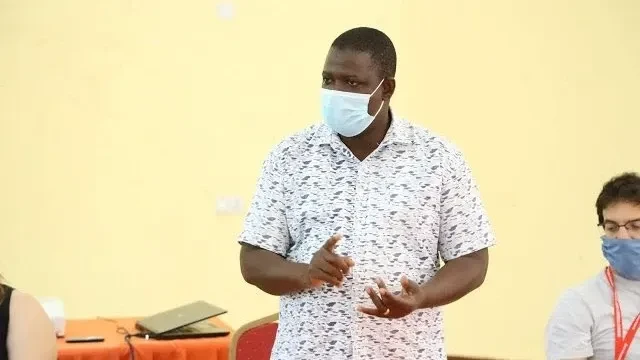
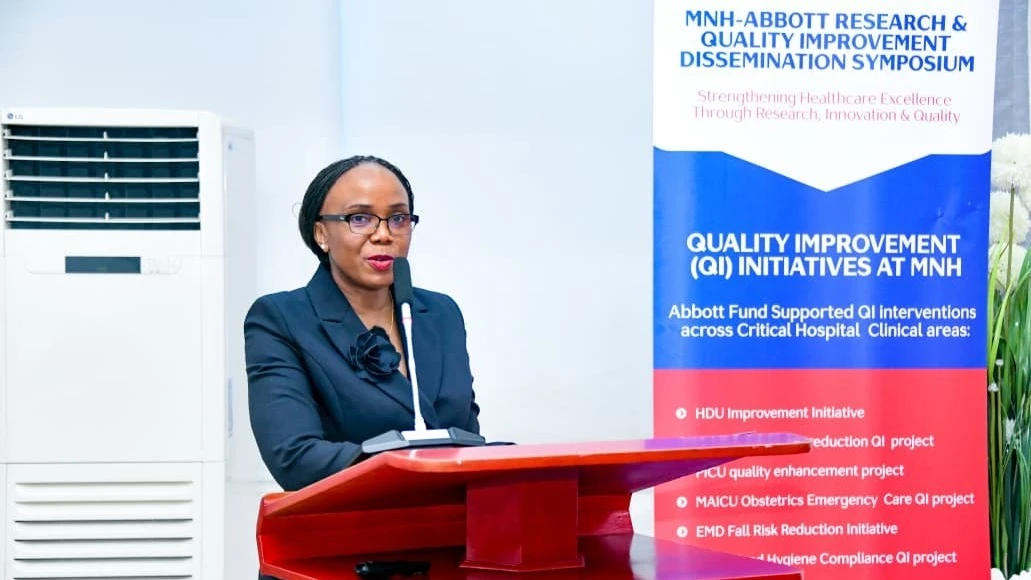
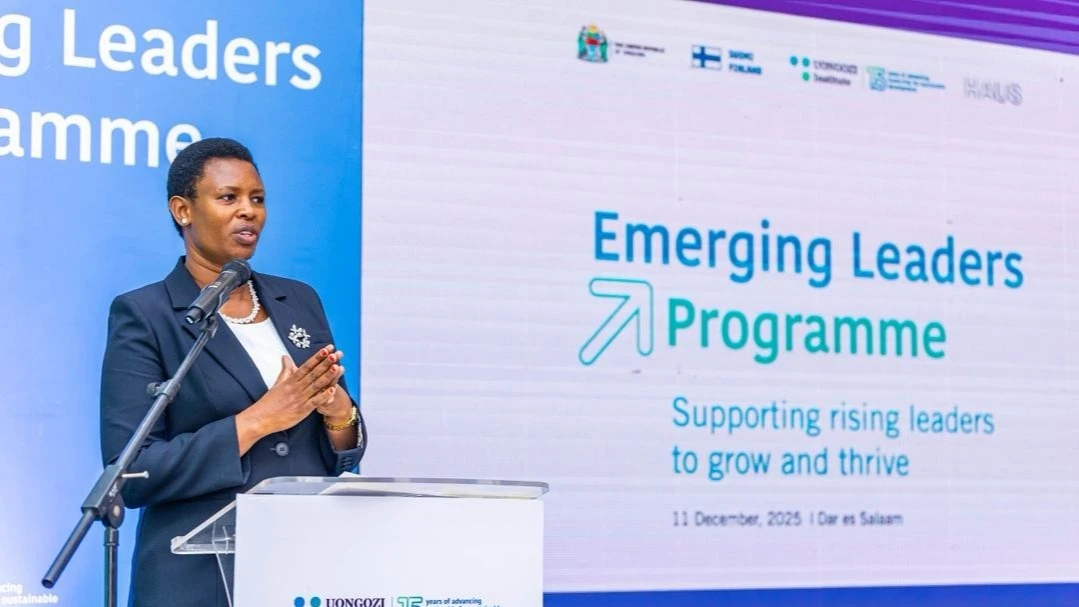
Launching the first Emerging Leaders Programme yesterday in Dar es Salaam, Deputy Minister for Public Service Management and Good Governance Regina Qwaray said leadership has become “a national necessity,” not an option.
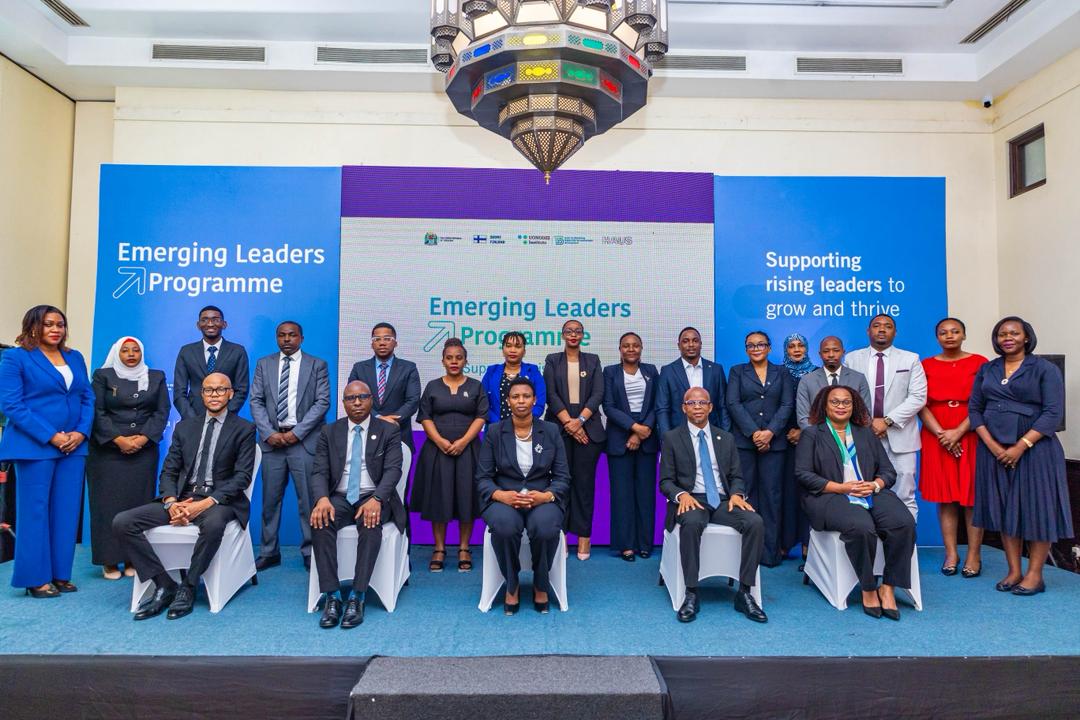
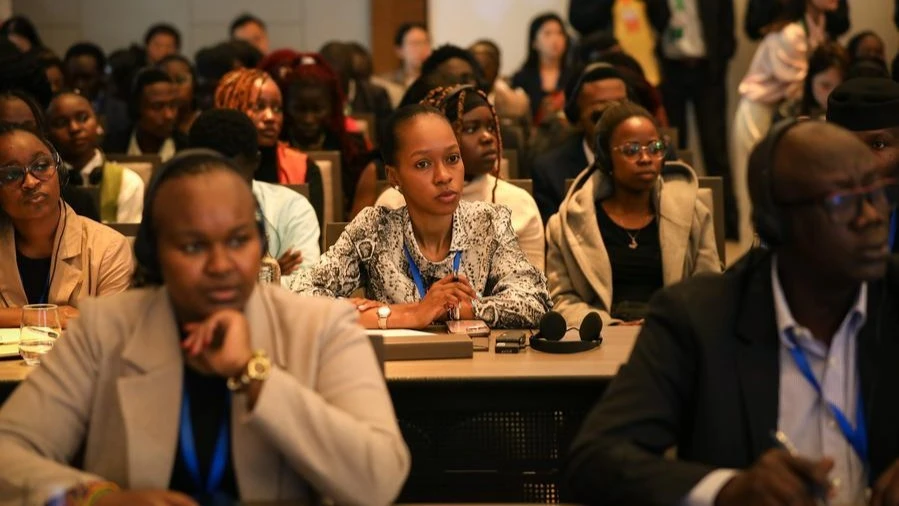
The first emerging leader programme consist of 30 leaders has been organised by Uongozi institute and HAUS institute of Finland. She cautioned that without capable leaders, Tanzania’s drive toward economic transformation risks losing momentum.
Qwaray told the cohort that leadership pressures are intensifying as the country’s development agenda grows more complex. “Today’s achievements may become tomorrow’s challenges,” she said, urging rising leaders to embrace evidence-based decision-making, work collaboratively and build resilience.
She revealed that the programme begins with a tough self-assessment meant to force participants to confront personal weaknesses that could undermine their leadership performance. The Qwaray said a rapidly shifting global landscape is piling pressure on leaders to adapt faster.
She cited technological disruption, complicated decision-making and ongoing economic reforms as threats that demand constant learning and strategic thinking. Quoting Mwalimu Julius Nyerere, she reminded them: “To be an effective leader, one must learn every day.”
Uongozi Institute CEO Kadari Singo described the programme as a strategic investment in long-term leadership capacity. The six-month, self-paced course—run with the HAUS Finnish Institute of Public Management—allows leaders to grow without stepping away from their roles.
Singo said the 29 emerging leaders will gain skills in strategic thinking, communication, culture transformation and personal confidence. The programme also promotes a growth mind-set to help leaders stay flexible and resilient in times of uncertainty.
In a virtual lecture, Kiirsi Aaltola, Director of Development Services at HAUS, delivered a blunt message: leadership training means little unless it changes daily behaviour. “Knowledge without action is useless in government,” she said, challenging participants to translate lessons into routine practice.
Aaltola said global data shows persistent weaknesses in three areas: ethical middle management, teams that can learn fast enough to confront new threats, and strong peer-support networks. She warned that many leadership programmes fail once participants return to work because alumni networks collapse and peer coaching is not sustained. “These gaps are evident worldwide,” she said. “Failure to close them slows reform and erodes public trust.”
Top Headlines
Trending Stories









© 2025 IPPMEDIA.COM. ALL RIGHTS RESERVED