




Protecting the skin: Understanding the body’s first line of defense, risks and preventive care
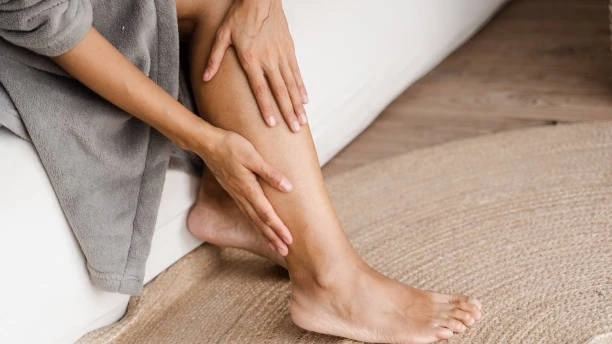
THE skin is the largest and one of the most complex organs of the human body, covering the entire external surface and acting as a dynamic protective shield against the environment. As the body’s first line of defense, the skin performs multiple vital functions—it safeguards internal organs, regulates body temperature, enables touch sensations, and supports overall well-being.
Despite its resilience, the skin is highly vulnerable to various diseases, environmental hazards, and lifestyle-related damage, making its protection essential for human health. Structurally, the skin is made up of three main layers: the epidermis, dermis, and hypodermis, each playing a unique role in defense and bodily function. The epidermis contains pigment-producing cells that protect the body from ultraviolet (UV) rays. Excessive exposure to UV radiation can damage these cells, leading to skin burns, loss of elasticity, premature aging, and—in severe cases—skin cancer.
When sunrays penetrate deeper into the skin, they disrupt cellular processes, weaken collagen, and trigger thickening, wrinkling, or thinning of the skin. These changes highlight why protection from UV radiation is a fundamental component of skin health.
Failure of the skin to perform its natural functions can lead to severe consequences for both humans and animals. The skin acts as a barrier composed of water, proteins, fats, and minerals, all of which work together to keep harmful bacteria, chemicals, and extreme temperatures from damaging internal organs. Its protective role is particularly important in occupational settings where individuals may be exposed to harsh chemicals, irritants, or weather conditions.
Skin diseases are among the most common health problems worldwide. They can be caused by bacteria, viruses, fungi, allergies, environmental contamination, genetic factors, or auto-immune processes. Symptoms often include rashes, discoloration, itchiness, inflammation, or changes in texture. Some skin disorders are inherited, while others are triggered by lifestyle factors such as poor hygiene, stress, or excessive sun exposure.
Internal illnesses may also manifest on the skin. Conditions affecting the liver, kidneys, gut, and lungs can produce skin problems such as rashes or discoloration. For example, when the kidneys fail to eliminate toxins, these substances can accumulate and trigger skin irritation. A compromised gut—often referred to as “leaky gut”—can cause autoimmune responses that result in breakouts, eczema, or chronic inflammation.
Among the most significant preventable threats to skin health is prolonged sun exposure. Over time, UV rays cause wrinkles, age spots, and increase the risk of skin cancer. Protective measures such as wearing sunscreen, long-sleeved clothing, hats, and sunglasses are essential to minimize these risks.
Lifestyle habits also play a significant role in skin health. Smoking, for example, accelerates skin aging by narrowing blood vessels in the outer layers of the skin, which reduces blood flow and deprives the skin of oxygen and essential nutrients. Cigarette smoke damages collagen and elastin—proteins responsible for skin strength and elasticity—leading to premature wrinkles and sagging. Smoking additionally increases the risk of squamous cell skin cancer, especially on the lips. People who smoke are strongly encouraged to quit in order to improve both their skin and overall health.
Environmental factors such as low humidity can also cause skin dehydration. In dry environments, the skin’s surface cells do not shed normally, causing roughness, flaking, and cracking. These cracks compromise the skin’s barrier, making it more vulnerable to infections and irritation.
Inflammation is the skin’s most common protective response, often appearing as dermatitis or eczema. Symptoms include redness, warmth, swelling, blistering, and intense itching. Inflammation can be triggered by irritants, allergens, infections, or chronic conditions.
In Tanzania, as in many low- and middle-income countries, skin diseases are especially prevalent among children and rural populations. Studies indicate a prevalence rate of about 36.4 percent, with scabies, eczema, and fungal infections being the most common. Poor living conditions—crowded housing, limited access to clean water, and inadequate hygiene—play a significant role in the spread of transmissible skin diseases.
The shortage of dermatologists further exacerbates the problem. Most Tanzanian health facilities are staffed by clinical officers with limited dermatological training, making early diagnosis and treatment difficult. Many communities also rely on traditional healers, underscoring the need for improved training and collaboration between modern and traditional health providers.
Preventing skin diseases requires a multifaceted approach. Good hygiene practices such as frequent handwashing, cleaning and covering wounds, and avoiding the sharing of personal items like towels, razors, and clothing significantly reduce the risk of transmission. Sun protection, including the use of sunscreen and protective clothing, helps prevent UV damage. Avoiding direct contact with individuals who have contagious skin infections is also critical.
Nutrition plays an important role as well. Vitamins A, B complex, C, D, E, biotin, and minerals such as chromium, selenium, iron, and zinc contribute to maintaining healthy skin. These nutrients support skin regeneration, fight inflammation, brighten complexion, and improve overall skin tone. A balanced diet rich in fruits, vegetables, whole grains, and healthy fats provides the essential building blocks for maintaining strong and resilient skin.
Ultimately, protecting the skin is not merely a cosmetic concern—it is a fundamental aspect of maintaining good health. Since the skin serves as a protective barrier for the body’s inner organs, its care must be prioritized. With proper hygiene, a healthy lifestyle, early treatment of infections, and improved public health awareness, individuals and communities can significantly reduce the burden of skin diseases and enjoy better overall well-being.
Top Headlines
Trending Stories























© 2025 IPPMEDIA.COM. ALL RIGHTS RESERVED