




Modern beekeeping initiative launched to save Tanga forests
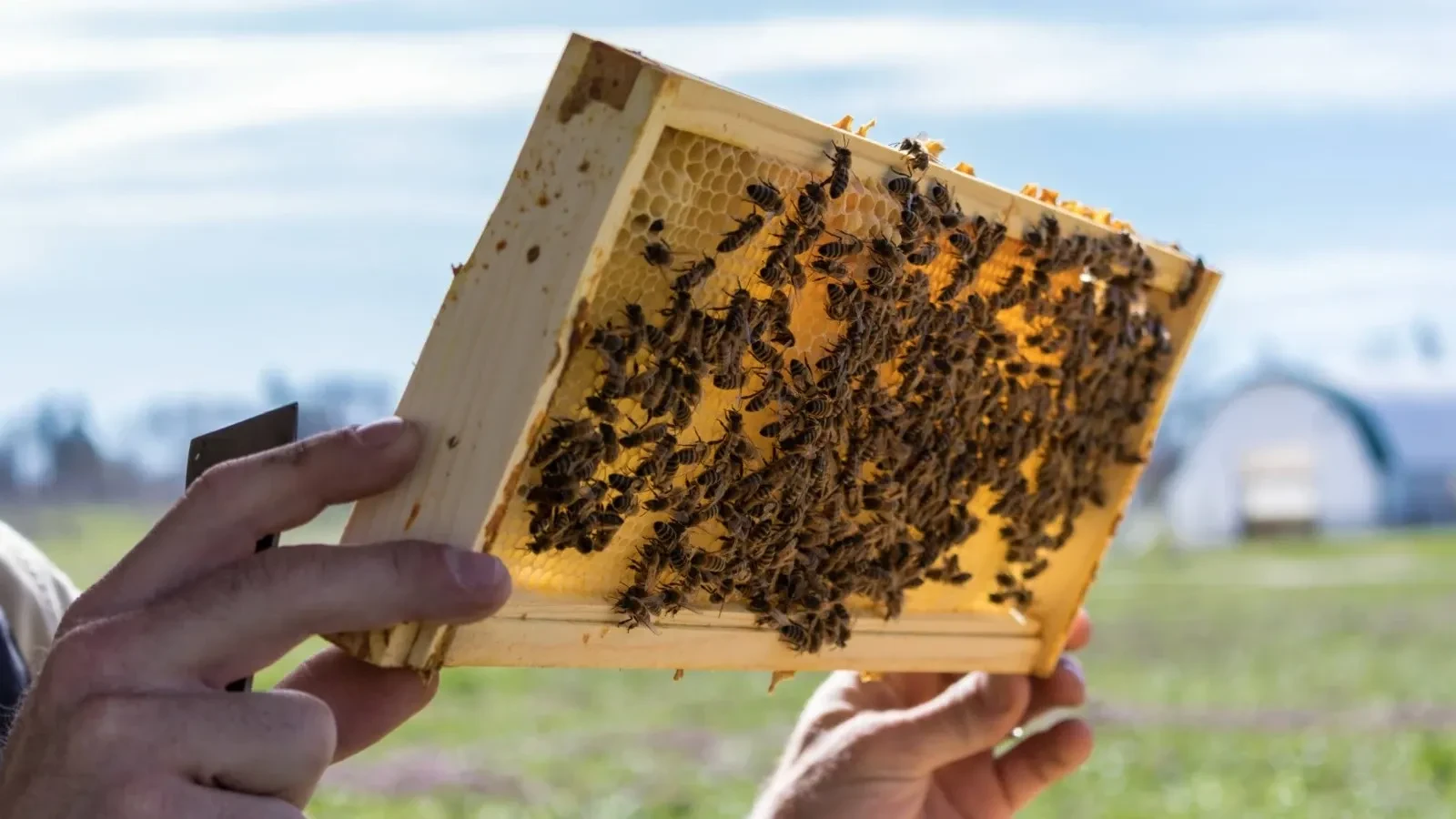
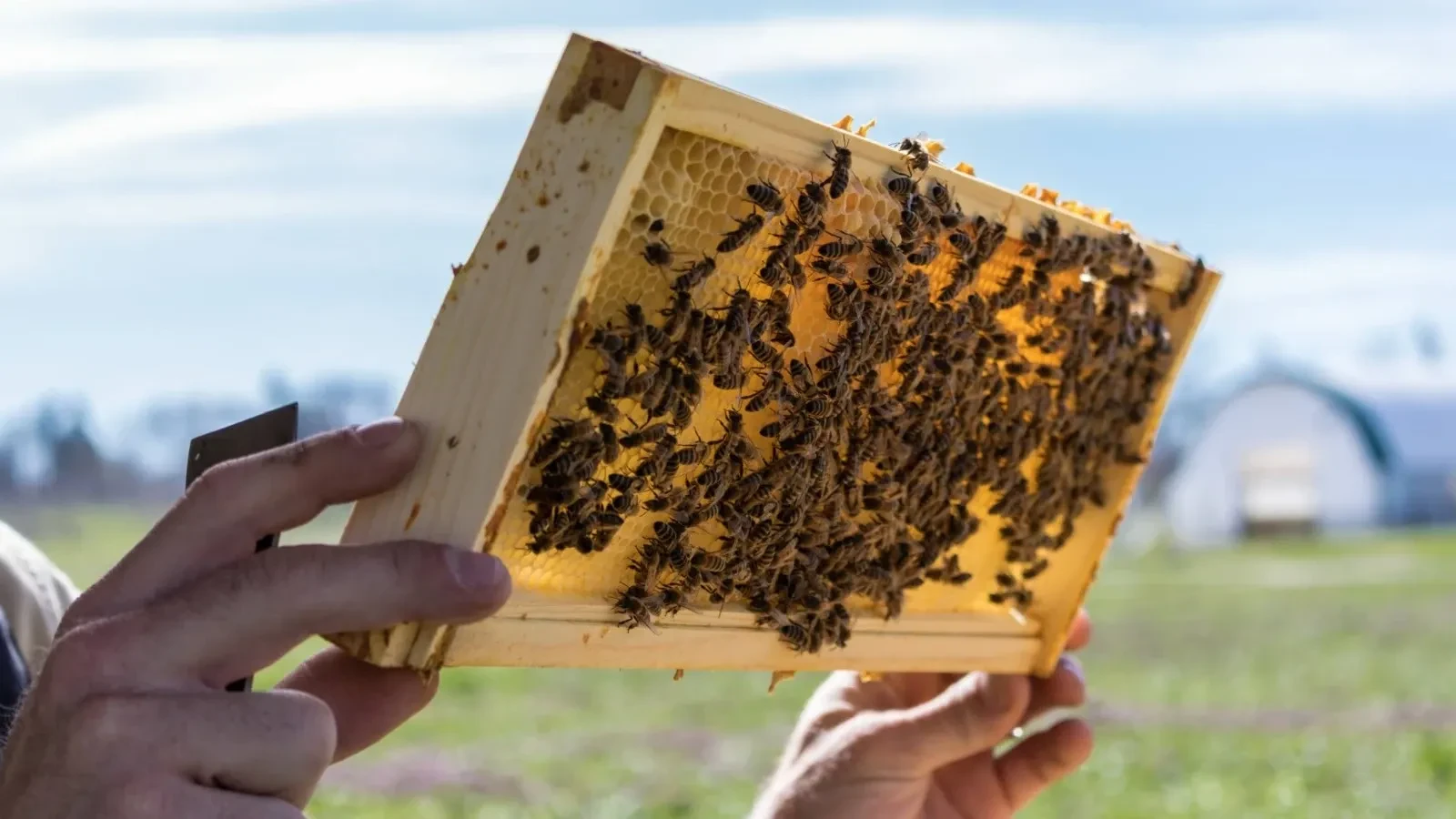
IN a strategic move to combat deforestation and alleviate rural poverty, a total of 81 modern beehives have been donated to nine villages across the Kilindi and Handeni districts, Tanga Region.
The initiative aims to provide communities with a sustainable alternative to the destructive harvesting of forest resources.
The project is part of the Integrated Forest Biomass Energy Solutions for Tanzania (IFBEST), funded by the European Union. It is being implemented by the Tanzania Community Forest Conservation Network (MJUMITA) in partnership with the Tanzania Forest Conservation Group (TFCG) and local government authorities.
The distribution of beehives specifically targets women and youth groups involved in Community-Based Forest Management (CBFM). By introducing beekeeping, the project seeks to transform villagers from forest consumers into forest protectors.
mjumita forest-based enterprises officer, Michael Nilongo, explained that Kilindi District’s indigenous woodlands are ideal for honey and beeswax production due to their diverse flowering plants.
“This is a new strategy designed to encourage communities to stop relying on forests as a direct source of income and instead focus on honey and beeswax production,” Nilongo said. “Beekeeping is compatible with conservation because it does not require tree cutting; in fact, it encourages communities to protect forest cover to sustain bee populations.”
While the project is in its infancy, initial harvests have already been recorded across several villages Nghobore: 11 kilograms, Mmbogo: 7 kilograms, Mapanga: 5 kilograms and Lusane: 3 kilograms.
Despite these early gains, Nilongo acknowledged that production levels remain modest. Experts have attributed the low yields to a learning curve involving hive hygiene and placement. Bees are highly sensitive to dirt and disturbances; in some instances, hives were placed too far from water sources or in areas with insufficient nectar.
To address these challenges, the IFBEST project has provided comprehensive training on hive management, harvesting techniques, and pest protection.
Erick Chenga, Handeni District Beekeeping Officer noted that three groups in his district have already mastered modern methods but emphasized the need for more equipment to make the ventures commercially viable.
Priority Needs for Beekeeping Groups protective Gear: Suits and gloves for safe harvesting, processing Tools: Smokers, hive tools, and honey extractors, logistics: Transport facilities to reach remote forest reserves, scaling: Increasing hive counts to at least 10 per group for economic viability.
The project currently spans eight villages, including Gendagenda, Mkalamo, and Mswaki. TFCG and MJUMITA have pledged to continue providing modern beehives free of charge and educating communities on the link between beekeeping and climate change resilience.
By fostering a "bee-friendly" economy, the IFBEST project hopes to ensure that the indigenous thickets of Tanga remain standing for generations to come, providing both environmental stability and financial security for the region's residents.
Top Headlines
Trending Stories
















© 2025 IPPMEDIA.COM. ALL RIGHTS RESERVED