




Governance reforms boost transparency, forest conservation in rural communities
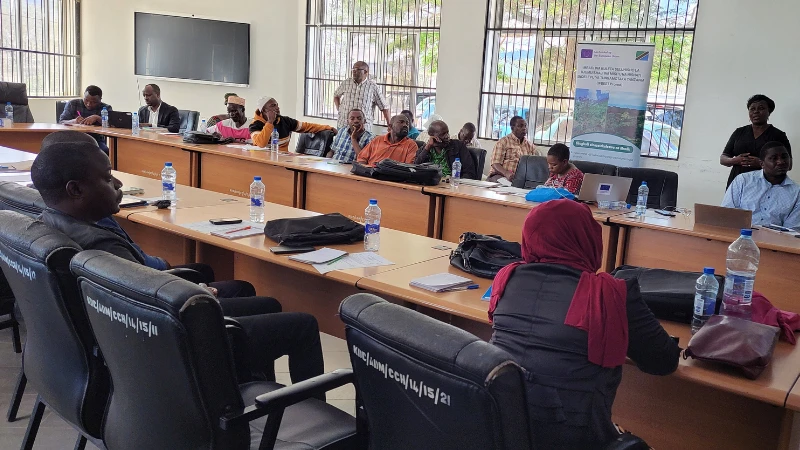
EFFORTS to strengthen good governance in villages across Handeni, Kilindi and Pangani district councils are beginning to bear fruit, with communities in Gendagenda nd Mkalamo reporting improved transparency, accountability and participation in local decision-making.
According to Elida Fundi, Good Governance and Advocacy Officer for the Tanzania Community Forest Conservation Network (MJUMITA), village governance practices have transformed significantly under the Integrated Forest Biomass Energy Solutions for Tanzania (IFBEST) project, funded by the European Union.
“Education on good governance has helped village leaders perform their duties more effectively,” Fundi said during a recent project assessment. “Transparency and accountability have improved.”
Previously, communities were rarely informed about how revenue from village land forest reserves was collected or spent.
Today, village leaders regularly release financial reports, showing income generated from sustainable charcoal production, timber sales and related expenditures.
These reports are also pinned on public notice boards for all residents to read. Villagers now participate actively in discussions and decisions related to local development projects—an important shift from past practices, where communities were informed only after decisions had already been made.
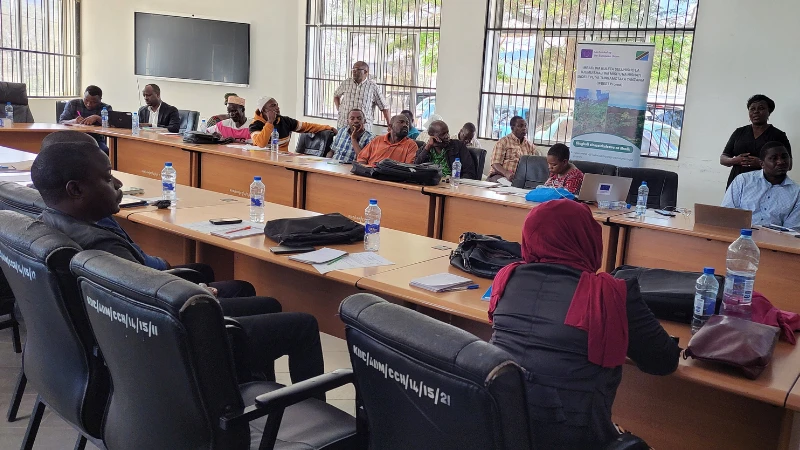
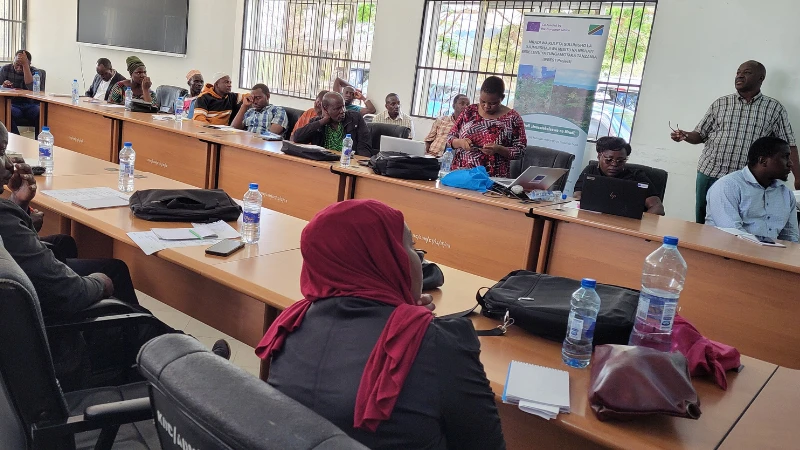
The assessment meeting also reviewed achievements, lessons, challenges and priorities for the next phase of IFBEST.
Under the IFBEST project, MJUMITA has established two new networks in Pangani District and provided extensive training to communities living near natural forests.
The education focuses on forest laws, harvesting procedures and conservation regulations to ensure villagers understand how to manage forest resources responsibly.
To reach more people, MJUMITA and the Tanzania Forest Conservation Group (TFCG) have introduced film screenings and football matches as tools for public education.
These events raise awareness about Community-Based Forest Management (CBFM), sustainable charcoal harvesting, gender equity and climate change.
“For the first time, through these film and football events, we have managed to reach an audience of 5,000 people,” Fundi said.
Women have increasingly become involved in sustainable charcoal and timber production, earning income and strengthening their role in community governance.
Many women now serve on Village Natural Resources Committees (VNRCs) and MJUMITA networks, enhancing their participation and influence in forest management.
“They are now very competent in forest management and understand the necessary laws and procedures,” Fundi noted.
Ali Mikumi, Chairperson of the Village Natural Resources Committee, said governance practices have improved significantly compared to the past, when revenue and expenditure reports were published only once every five months.
The introduction of Global Positioning System (GPS) technology has further enhanced monitoring. With GPS devices, committee members can remotely identify areas damaged inside forest reserves and detect illegal charcoal production activities.
Using the technology, they recently discovered 33 plots in the village forest reserve that had been cleared for illegal charcoal burning.
IFBEST Project Manager Ewald Emil said the project’s overall objective is to promote environmental sustainability through sustainable forest management and cleaner wood-fuel production.
This project is contributing to forest conservation and environmental protection; it helps keep our forests safe and prevents deforestation,” Emil said.
He urged district councils and rural communities to remain actively engaged in sustainable forest management.
Project implementers hope each district will allocate at least Tsh 10 million toward CBFM and sustainable charcoal production by the end of the project, with at least six villages practising assisted natural regeneration in charcoal forest management units.
Top Headlines
Trending Stories











© 2025 IPPMEDIA.COM. ALL RIGHTS RESERVED