




Women’s leadership crisis: The need for systemic, not just individual solutions
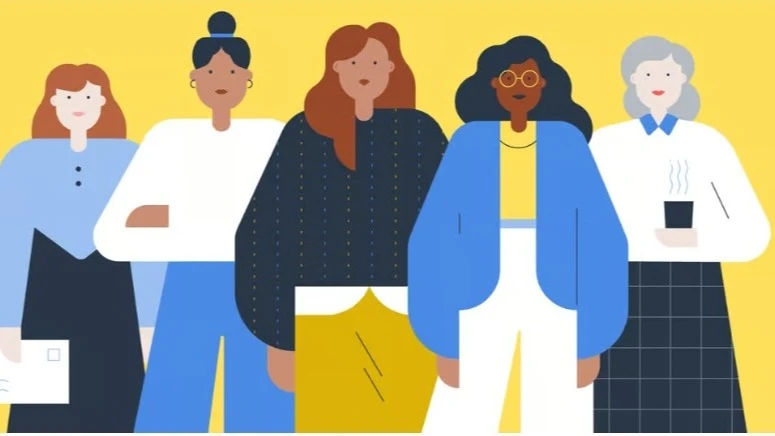
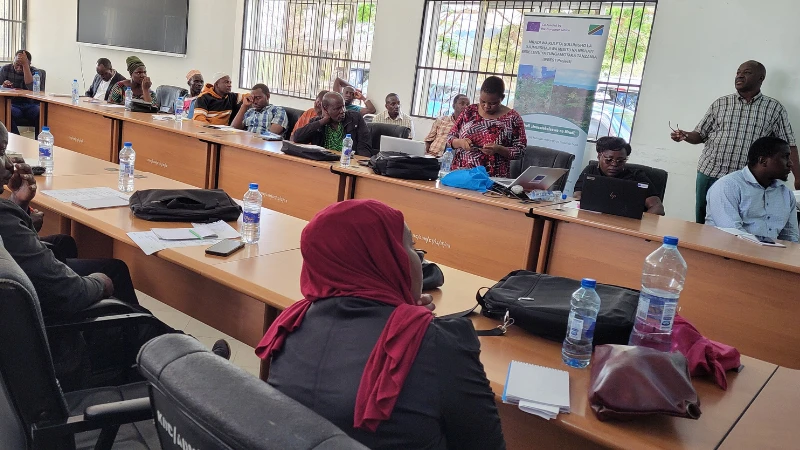
TWO weeks ago was my first time being a chairman of a regional high-level communications governance event. At first, I wanted to cower, then I leaned all the way into my calling. This blessed opportunity got me reflecting about the current sentiments on female leaders, especially those shared and found within the digital space in the current context.
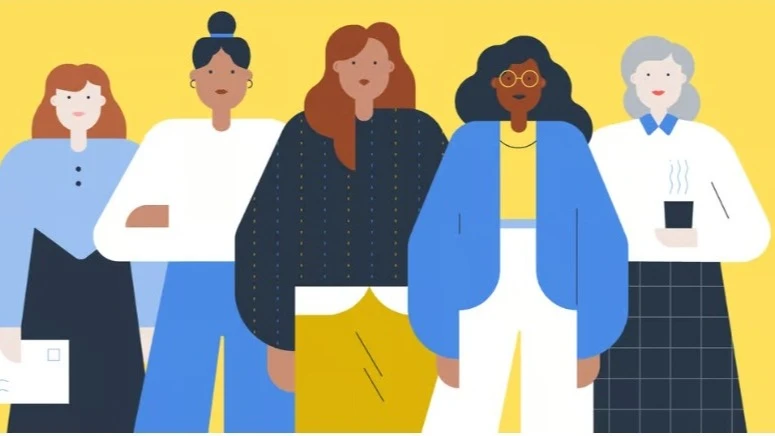
The ascent of a woman to a nation's highest office is often a landmark moment, a shattering of the proverbial glass ceiling. Yet, this tenure can expose a troubling paradox: while a woman holds the top job, a deep-seated crisis of confidence in female leadership persists, threatening to undermine the very progress she represents. The initial optimism can give way to a more complex reality, rooted in a patriarchal social context and a political culture unaccustomed to female authority.
This double standard puts female leaders in an impossible position. In many parts of the world, women are held to a different standard than men. A male leader who is tough and decisive is admired; a female leader who displays the same qualities is often labelled as “cruel” or “unfeeling.”
A male leader who shows emotion is seen as “human”; a female leader who does the same is dismissed as “weak.” In the Tanzanian context, for example, a female leader must simultaneously embody the authority of a national leader, uphold the values of a devout religious person, and the nurturing archetype of a mother—a delicate balancing act that leaves little room for error.
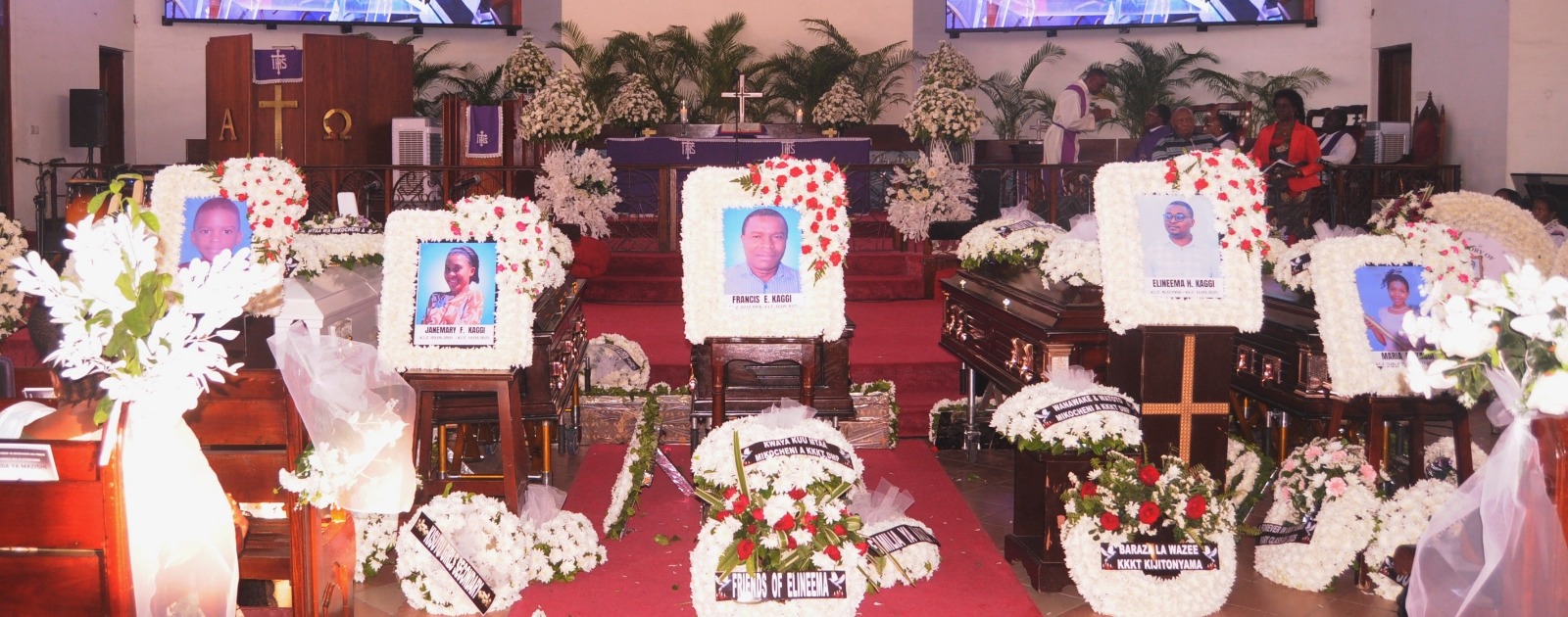
There have been missed opportunities. A more visible display of empathy during national crises, such as the early wave of kidnappings, could have powerfully countered the narrative of a distant or uncaring leader. Yet, the opportunity to “play the woman card” in a strategic and meaningful way remains.
By championing initiatives like the Generation Equality Forum (GEF), of which this regime is its global champion for Economic Justice and Rights (EJR). GEF is a global, multi-stakeholder initiative convened by UN Women and co-hosted by Mexico and France in 2021. It was established to accelerate progress on gender equality and revive global commitments to the Beijing Declaration and Platform for Action, whose implementation has been slow.
Tanzania plays a meaningful role in the GEF agenda, aligning national priorities with several action coalitions, especially those linked to economic justice, gender-based violence, and climate justice. It has strengthened laws and policies on women’s land rights, expanded efforts to prevent and respond to violence against women and children, and partnered with civil society networks to promote women’s access to productive resources.
Tanzania’s participation demonstrates its commitment to advancing gender equality at national, regional, and global levels.
Embracing a public persona that blends compassion with firm leadership, the conversation around female power could be reframed. Visuals are critical: images of the president engaging with children, engaged in school feeding programmes, with women entrepreneurs say seaweed farmers in the waters of Zanzibar, giving a presidential medal for Women Economic Empowerment (WEE), can be more potent than any policy speech, if we are ever to move forward..
To focus only on an individual’s missteps is to miss the larger point. The problem is often the system they inherited, a system that is still overwhelmingly male-dominated and resistant to change. A system entrenched within not only a misogynistic society but also one that upholds religious beliefs that discriminate upon female leadership.
However, it is critical to assert that these systemic biases are not a shield against accountability. Serious governance failures, human rights abuses, or the loss of life under any leader's watch demand scrutiny and condemnation, irrespective of gender.
The conversation about double standards must not be used to excuse or overlook grave responsibilities. The strength of a female leader should never come across as cruelty.The challenge is to navigate this terrain without sacrificing either strength or authenticity.
Women who take on a visible leadership role need to be upheld, in the similar way I felt empowered during the East Africa PR Week 2025. These women are trailblazers, and like all trailblazers, they are forging a path that is not always smooth or easy. They are challenging long-held assumptions about what a leader should look like and how a leader should behave.
The road to true gender equality is long and arduous. The glass ceiling may have been shattered, but it is up to all of us to clear away the shards. The success of this generation of female leaders, and of the generations who will follow, depends on it.
Prudence Glorious, New Life Foundation trustee, author and chief purpose officer at PZG, she can be reached at 0768100001
Top Headlines
Trending Stories





© 2025 IPPMEDIA.COM. ALL RIGHTS RESERVED