




Tanga villages set to validate forest ownership, boost income through sustainable management
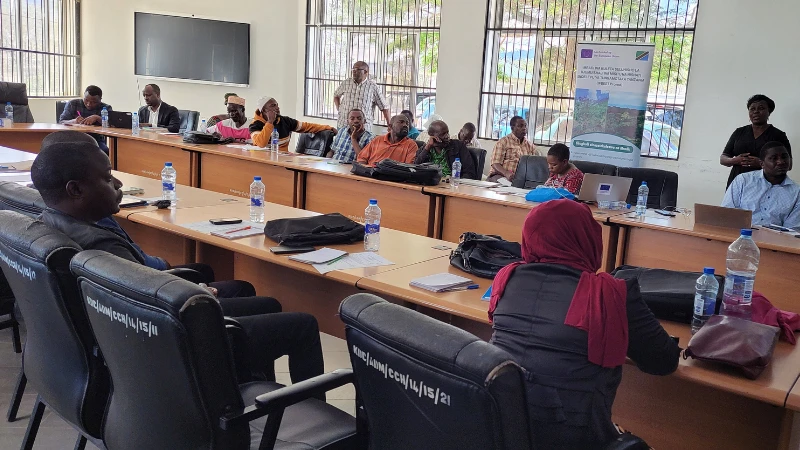
FIVE Village Land Forest Reserves (VLFRs) in Tanga Region are poised to receive official Government Notice (GN) status, a move that will empower local communities to gain legal ownership, control illegal harvesting, and finance development projects through community-based forest management (CBFM) activities.
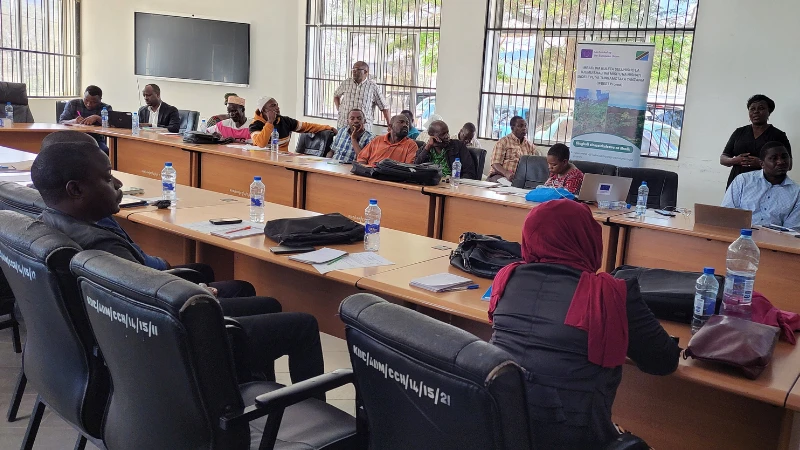
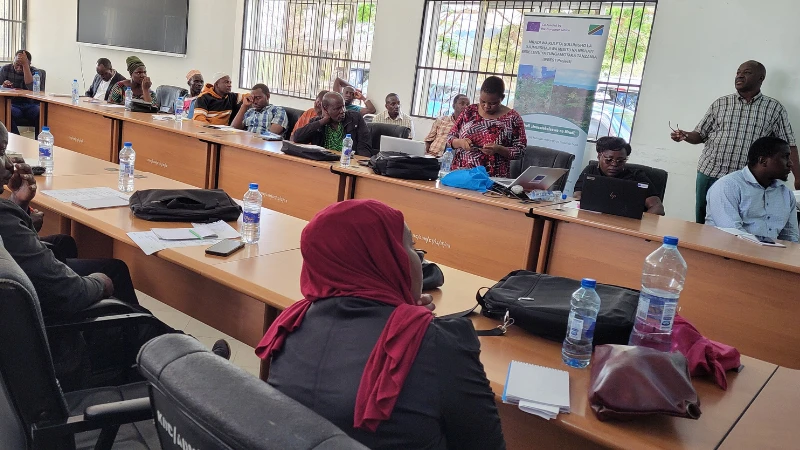
The announcement was made by Peter Mtoro, a community-based forest management officer at the Tanzania Forest Conservation Group (TFCG), during a review meeting for the European Union-funded Integrated Forest Biomass Energy Solutions for Tanzania (IFBEST) project.
The GN status will formalize the ownership and management of five key VLFRs across Pangani, Handeni, and Kilindi District Councils Bagamoyo VLFR (1,188.8 hectares) in Mkalamo Village, Bojo VLFR (3,971.2 hectares) in Kwakibuyu Village, Kwamsisi VLFR (1,104.9 hectares) in Kwamsisi Village, Mbwego VLFR (1,102.5 hectares) in Mnkonde Village and Beho VLFR.
“The GN is crucial as it allows villages engaged in CBFM to earn cash to finance village development projects, have full ownership of their VRFRs, and effectively control illegal forest harvesting,” Mtoro stated.
The IFBEST project, implemented by TFCG and MJUMITA, aims to promote environmental sustainability through sustainable forest management and wood-fuel production. Mr. Mtoro highlighted several achievements:
Biodiversity Conservation: The project identified 90 types of tree resources within the VLFRs, which will aid researchers in conserving biodiversity and tracking disappearing species.
New Reserves: A total of 8,731.68 hectares of new VLFRs were successfully allocated, with an additional 791 hectares set aside in Mnkonde and Mswaki villages.
Capacity Building: 32 district experts from Pangani, Kilindi, and Handeni received training on sustainable forest management, land use, and forest products business.
Community Training: Nine villages, including Mnkonde, Mafulila, Lusane, and Nghobore, received training in forest management, patrols, first aid, and incident investigation.
Villages engaging in CBFM are already seeing tangible financial results. Adam Sylvester, Kilindi District’s natural resources officer, shared successful examples Mnkonde Village earned Tsh 5,558,470 from selling timber and Lusane Village earned 8,190,000/- from selling timber.
Sylvester also noted that the district is now implementing land use plans to prevent conflicts between farmers and pastoralists.
Furthermore, Kilindi District has started engaging in the carbon credit business to boost its income, committing to allocate a budget for forest management activities and carbon trade business.
“The communities have now introduced various projects and moved away from depending on forests to earn cash to improve their livelihoods,” Sylvester said.
While progress has been substantial, Mr. Sylvester identified several key challenges, including forest encroachment for agriculture and grazing, lack of specialized experts and working tools, and unresolved boundary disputes. Mr. Mtoro echoed the need to resolve land disputes between villages and between districts to ensure forest sustainability.
Ewald Emil, the IFBEST Project Manager, outlined the project’s ambitious goals:
Income Generation: Ensure at least ten people per village in 13 villages earn income from nature-based enterprises, including sustainable charcoal production.
CBFM Expansion: See at least eight additional villages implement CBFM and five pre-existing CBFM villages engage in more sustainable management by the project’s end.
Sustainable Output: Sustainably manage 8,935 hectares of woodland for wood-fuel production and produce 1,981 tonnes/year of charcoal sustainably across Handeni, Kilindi, Pangani, and Mkinga districts.
"TFCG and MJUMITA will be ready to support all villages involved in CBFM to ensure they benefit from the forests they have within their villages and prevent deforestation that causes climate change," Emil concluded.
Top Headlines
Trending Stories













© 2025 IPPMEDIA.COM. ALL RIGHTS RESERVED