




Districts urged to educate Maasai pastoralists on forest management

DISTRICT authorities in Kilindi, Pangani, and Handeni, in collaboration with implementers of the Integrated Forest Biomass Energy Solutions for Tanzania (IFBEST) project, have been urged to develop a comprehensive strategy to educate Maasai pastoralists on sustainable forest management, community-based forest governance, and environmental conservation.
This comes as Maasai communities spend much of their time in the bush grazing cattle.
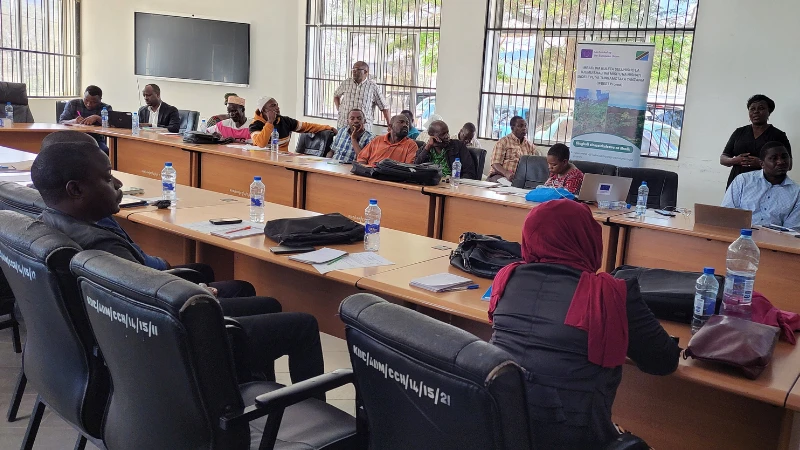
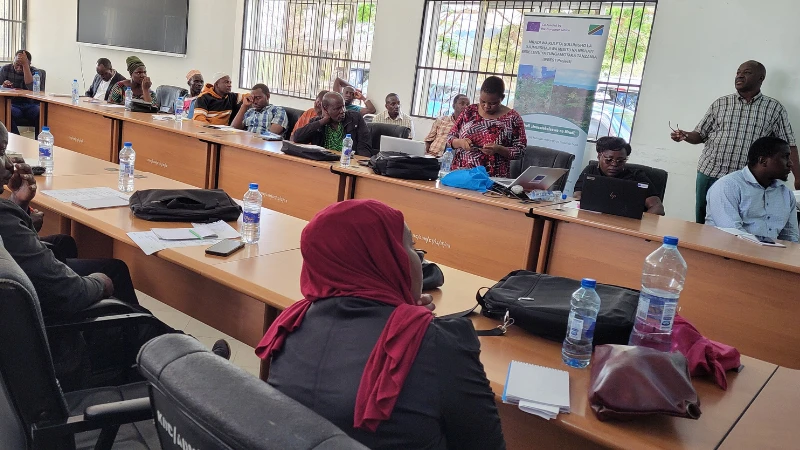
Joshua Kimario, a pastoralist officer from the Tanzania Community Forest Conservation Network, made the call while presenting IFBEST’s achievements, challenges, and lessons learned. The project is funded by the European Union and aims to integrate environmental conservation with community livelihoods.
“P o l i c y changes that affect pastoralists should be communicated through targeted meetings involving livestock officers and agricultural officers,” Kimario said. “This will ensure Maasai and other pastoralist communities are fully informed and engaged in sustainable forest management practices.”
He highlighted that Maasai pastoralists are now actively participating in forest conservation activities, including patrols within village land forest reserves—a practice that was largely absent before the project’s implementation.
Kimario also advised pastoralists with large herds to select some cattle for fattening and profitable sale, enabling them to generate income in the short term while maintaining environmental conservation.
“The main goal is to help pastoralists benefit economically from their livestock while protecting forest resources,” he said.
The IFBEST project has enabled implementers to visit villages directly, hold face-to-face discussions with pastoralists, and identify key challenges, including farmer-pastoralist conflicts, unclear village boundaries, water scarcity, and insufficient grazing areas.
“Through knowledge and skills gained from pastoralist experts, Maasai communities are now contributing meaningfully to forest conservation.Their involvement in community meetings has also helped reduce conflicts between farmers and pastoralists in Kilindi and Handeni Districts,” Kimario added.
Currently, IFBEST is being implemented in eight villages across Handeni, Pangani, and Kilindi: Gendagenda, Mkalamo, Mseko, Lusane, Mmbogo, Mapanga, Nghobore, and Msaki.
Among the main challenges facing pastoralists are limited grazing areas, inadequate stock routes, insufficient charco dams and cattle dips, unclear village boundaries, and water scarcity.
Meanwhile stakeholders involved in CBFM recommend continued education on beekeeping for villagers interested in honey production, as well as district support for constructing timber and charcoal yards in villages such as Mswaki, Vyadigwa and Kikunde, which have tree species suitable for sustainable timber harvesting. These facilities will allow local entrepreneurs to access timber and charcoal more efficiently.
Additionally, resolving boundary disputes between districts is critical to creating a conducive environment for community-based forest management, ensuring that both pastoralists and farmers can coexist while protecting natural resources.
Kimario expressed gratitude to the European Union for its support, which has allowed project implementers to engage directly with communities and foster both environmental conservation and local livelihoods.
Top Headlines
Trending Stories


















© 2025 IPPMEDIA.COM. ALL RIGHTS RESERVED