




TPDF, NBS, UDSM to measure barriers for women in peacekeeping operations
THE Tanzania People’s Defence Forces (TPDF), in partnership with the National Bureau of Statistics (NBS) and the University of Dar es Salaam (UDSM), has launched a national assessment to identify barriers to women’s participation in security and peace operations.
The initiative is being implemented under the Measuring Opportunities for Women in Peace Operations (MOWIP) framework and was officially inaugurated on Monday with the opening of the MOWIP core training in Dar es Salaam.
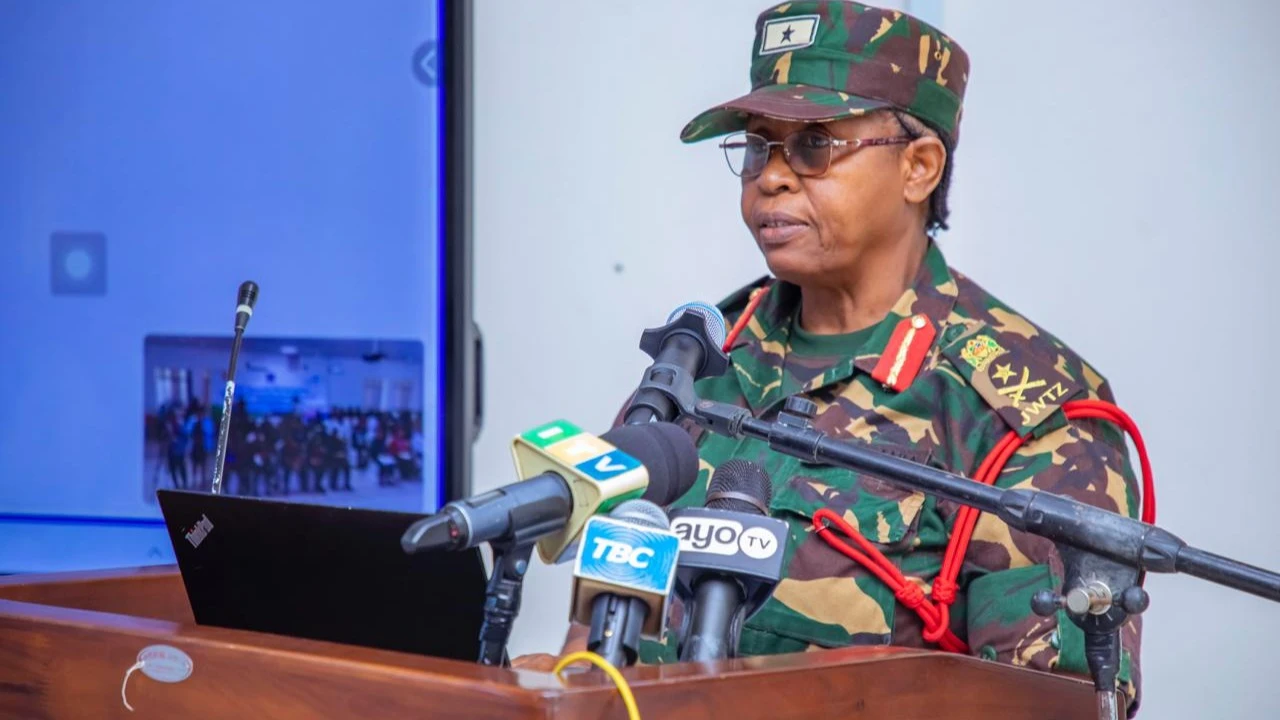
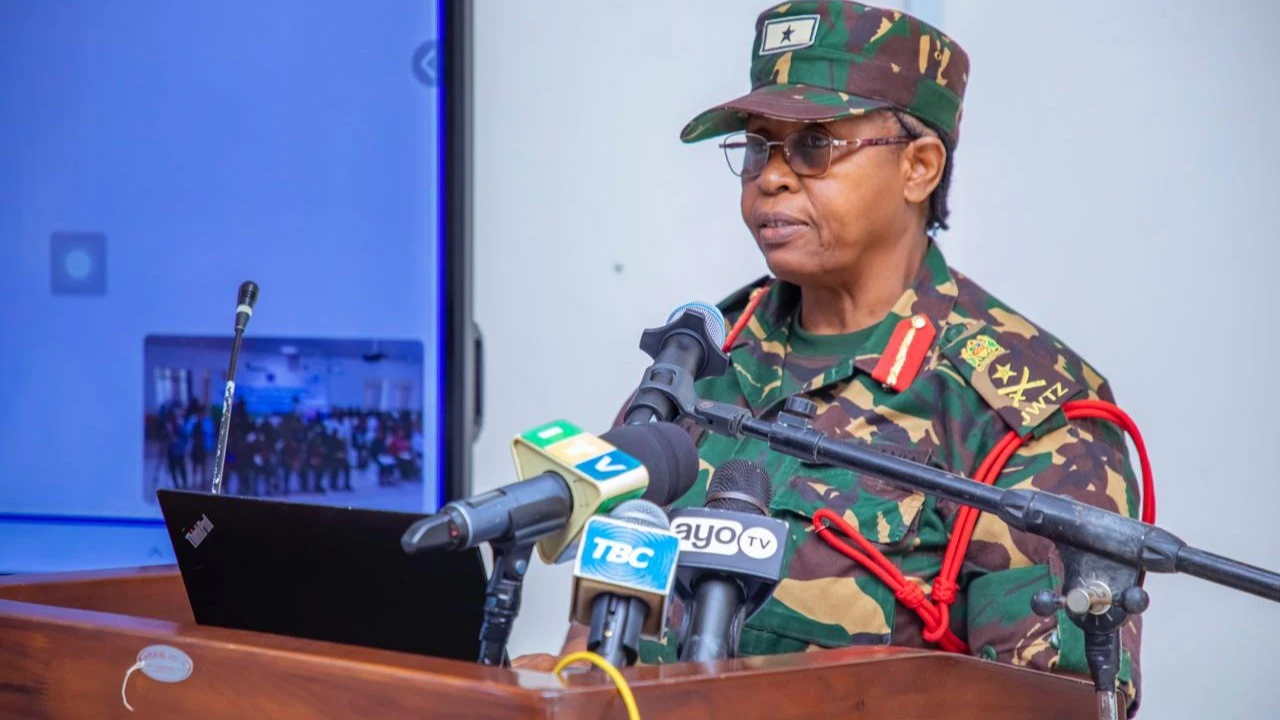
Speaking at the launch of the five-day training for research and steering committees, Brigadier General Agatha Katua, Commandant of the Medical College of Sciences, emphasised that the assessment is intended to trigger systemic change.
“Women’s participation in peace operations must be meaningful and impactful, not symbolic,” she said. “Women must participate in a way that influences decisions and delivers results on the ground.”
The assessment is expected to generate data-driven insights that will inform future policy reforms and institutional shifts within Tanzania’s security apparatus.
To ensure the findings are credible and culturally relevant, the TPDF has partnered with key national and international institutions. These include the National Bureau of Statistics (NBS), leading quantitative data collection and analysis; the University of Dar es Salaam (UDSM), providing academic rigor and qualitative assessment expertise; and DCAF (Geneva Centre for Security Sector Governance), offering technical methodology and global best practices.
Brigadier General George Itang’are, Commandant of the TPDF Peacekeeping Training Centre (TPTC), noted in a statement read by Colonel Deogratias Munishi that the project will follow a five-stage process: data collection, analysis, validation, monitoring, and reporting.
The ongoing five-day training in January 2026 forms part of the preparation phase. It brings together members of the steering committee, research and assessment teams, communication teams, and support staff from the Peacekeeping Training Centre.
Katherine Gifford, UN Women Tanzania Country Representative, highlighted that the exercise will target structural, cultural, and policy-related hurdles.
The assessment is expected to last approximately nine months, with a final report anticipated by the end of 2026.
By undertaking this study, Tanzania joins more than 20 troop- and police-contributing countries using the MOWIP tool to modernise their security sectors.
From an international perspective, Lilia Inca, Senior Manager at DCAF, noted that Tanzania will join a growing number of countries that have completed the MOWIP barrier assessment—a globally recognised tool for identifying obstacles to women’s participation in peacekeeping.
NBS project manager Emilian Karugendo assured stakeholders that the bureau would leverage its statistical expertise to deliver high-quality results on schedule.
Top Headlines
Trending Stories








© 2026 IPPMEDIA.COM. ALL RIGHTS RESERVED