




Poor wastewater management in Dar puts residents’ health at risk
POOR management of sewage in Dar es Salaam Region is exposing residents to serious health risks, including death and outbreaks of infectious diseases.
An investigation by The Guardian conducted over several months has found that weak sewage control is driven by human behaviour, administrative gaps and poor infrastructure.
Jofrey Mwangalila, a resident of Kijitonyama and a sewage truck driver with 15 years’ experience, says accessing some neighbourhoods is extremely difficult.
“The cost of emptying toilets increases with distance. From Kijitonyama to Kurasini, where we dispose the waste, it costs about 120,000/-. For someone in Bunju, the cost can rise to 150,000/- due to the distance,” he explained.
As a result, many residents avoid hiring vacuum trucks and instead resort to unsafe methods such as manually emptying toilets using buckets, practices that pose serious risks to health and the environment.
In areas inaccessible to trucks, operators are forced to hire pumps and temporary tanks at 150,000/-, and the entire burden falls on the customer. At times, neighbouring residents resist allowing pull pipes to pass through their plots, the thing that complicates operations.
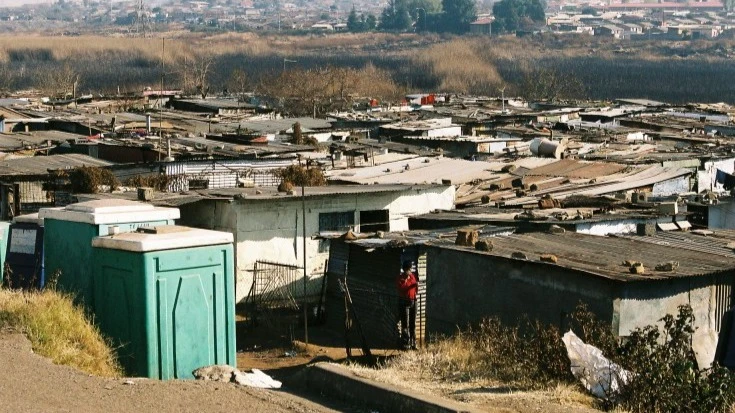
Unplanned settlements make access nearly impossible, unlike well-planned areas where trucks can easily reach homes.
Another sewage truck driver, Juma Goko of Kijitonyama, told The Guardian that poor toilet maintenance worsens the problem. Some residents mix faeces waste with solid trash such as cans and sanitary pads, blocking suction equipment and slowing work.
What residents say
Mwajuma Athuman, a resident of Tandale kwa Mtogole, said the high cost of sewage removal forces many people to use unsafe disposal methods.
“In unplanned areas like Tandale, the cost of hiring a sewage truck can go up to 300,000/- . Some people opt to empty their toilets manually, thus posing health risks to their neighbours,” she said linking the frequent stomach illnesses and past cholera cases in her area to the practices.
Health impacts
Dr Verdiana Byemelwa, a consultant physician and Head of the Infectious Diseases Unit at Muhimbili National Hospital, warns that improper disposal of fecal waste is a major public health threat.
She explained that diseases spread through the fecal–oral route, where pathogens from human and animal waste contaminate water, soil, food and attract disease-carrying insects. Common diseases linked to poor sanitation include cholera, typhoid fever, dysentery, hepatitis A, polio, and intestinal worms.
She advises residents to use proper toilets, avoid open defecation, wash hands with soap and running water and make sure they treat or boil drinking water.
Dar es Salaam Regional Medical Officer, Dr Mohamed Mang’una, confirmed to The Guardian that the region has faced disease outbreaks, though the situation has improved through joint interventions with other authorities.
He acknowledges that some residents illegally discharge sewage waste into drainage channels during the rainy season. Offenders are warned and face legal action, including fines.
Dr Mang’una added that the regional health office also distributes water treatment chemicals, inspects markets and food vendors as well as closing down unsafe and contaminated wells.
In 2023 alone, authorities suspended the use of 23 wells in areas including Msongola, Keko, Azimio, Chamazi, Buguruni, and Kipawa after tests revealed fecal contamination. Dr Mang’una explains that many people fail to maintain the recommended distance of 50–100 meters between pit latrines and water wells.
Expert opinions
Dr Ruhinda Edward, who holds a PhD in Environmental Technology and Management, said sewage waste treatment systems remain inadequate. His research found widespread misconceptions that such waste can safely disappear without treatment.
Supervised by retired Associate Professor Dr Shabani Mgananl and Dr Stephen Mbuligwe of Ardhi University, the study revealed that many toilets are poorly constructed and do not meet technical standards, making safe emptying impossible.
Government interventions
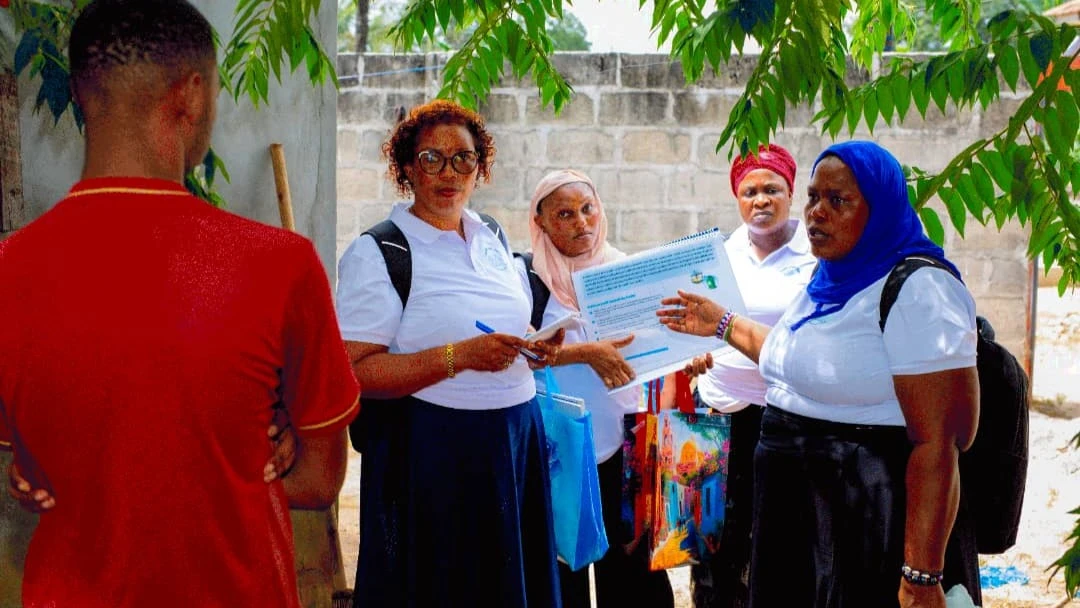
In response to criticism directed at the Dar es Salaam Water and Sanitation Authority (DAWASA), officials provided detailed explanations whereas Eng Rose Edward, DAWASA’s Environmental Specialist and Supervisor of sewage waste treatment plants, said lack of public awareness is a major challenge. Many toilets are outdated and cannot be connected to sewer systems.
“To be connected, a household must have a modern toilet that meets technical standards,” she explains. Sewer systems rely on gravity flow, though pumps are used where terrain does not allow this. DAWASA has also introduced simplified sewerage systems using four-inch pipes to serve unplanned areas.
Actions taken
DAWASA is implementing faecal sludge treatment plants (FSTPs) to manage waste safely and prevent disease outbreaks. With support from the World Bank, the government is investing 35bn/- to build seven treatment plants, five in Dar es Salaam and one in the Coast Region.
These facilities will benefit about 1.57 million residents in Temeke, Kigamboni, Ubungo, Ilala, and Kibaha. Once completed, they will treat up to 780,000 liters of wastewater per day and generate by-products such as biogas and fertilizer. Treated wastewater will also be reused for irrigation and industrial cooling.
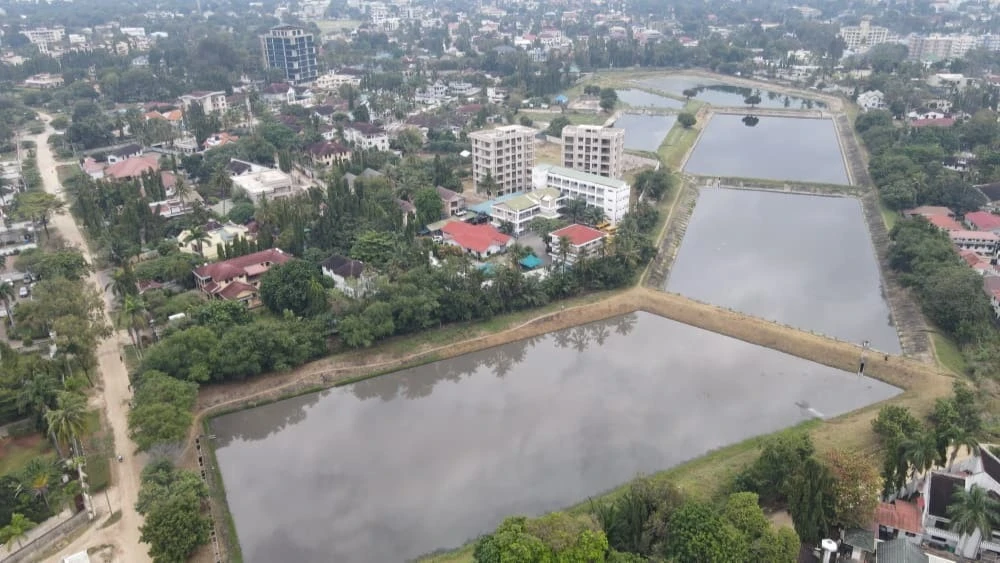
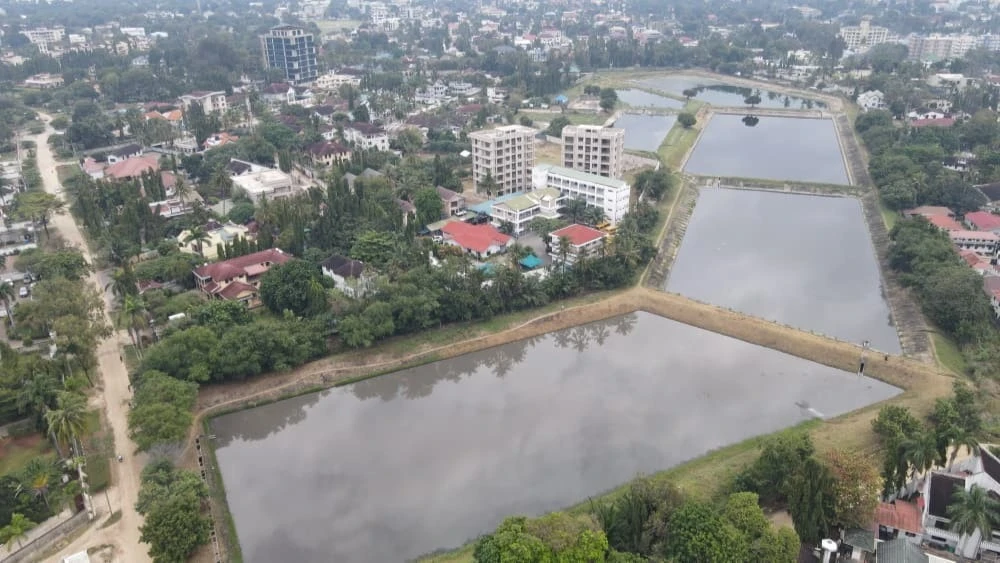
In areas without sewer networks, DAWASA licenses private vacuum trucks to collect and dispose waste at official treatment ponds. Currently, 151 private trucks operate legally, generating between 500–700m/- in monthly revenue. DAWASA has also invested in modern equipment for cleaning sewer networks and removing solid waste that often causes blockages.
At present, only 4,820 customers are connected to the sewer network, which covers 519.4 kilometers across areas such as Ilala, Kariakoo, Sinza, Mikocheni, Kijitonyama, Temeke, and Buguruni. Wastewater is transported through manholes to treatment ponds.
Acting Sewerage Services Manager, Eng Nemes Lelo, said DAWASA operates seven major treatment ponds with a combined capacity of 53 million liters per day.
Another key initiative is the 9bn/- Simplified Sewerage System project, implemented in Kinondoni and Ilala districts in eight wards. The project benefits about 12,051 residents (3,000 households) through 10 kilometers of sewer pipes, 4,234 manholes, and rehabilitation of 3,000 toilets.
Lelo notes that only 43 percent of faecal sludge in Dar es Salaam is currently treated, but this figure is expected to rise once on-going projects are completed.
The Environmental Management Act of 2004, Section 187(1), prohibits dumping hazardous substances, including fecal sludge and wastewater, into land, water, or air without authorization.
Violators face fines of between 3m/- and 50m/-, imprisonment of up to 12 years, or both. Illegal discharge of sludge into drains during rains is a criminal offense.
Environmental authorities speak
Dar es Salaam Regional Environmental Officer, Dominick Salamba, said each local council has formal waste collection systems, with waste transported to the Pugu Kinyamwezi dumpsite. Public education campaigns encourage residents to view waste as an economic opportunity.
Jamari Baruti, Director of Compliance at the National Environment Management Council (NEMC), said solid and liquid waste management falls under local governments and water authorities.
“Illegal discharge often happens secretly, making enforcement difficult,” he says.
Tajaeli Masaki, Data Coordinator at environmental NGO Nipefagio, calls for stronger inter-agency collaboration, warning that low fines sometimes encourage violations.
Poor sewage and faecal sludge management in Dar es Salaam remains a serious public health and environmental challenge. While government investments and reforms offer hope, sustainable progress will depend on improved urban planning, public awareness, enforcement of laws, and affordable sanitation services for residents.
Top Headlines
Trending Stories





© 2026 IPPMEDIA.COM. ALL RIGHTS RESERVED