




Community health workers transform hygiene in Dar
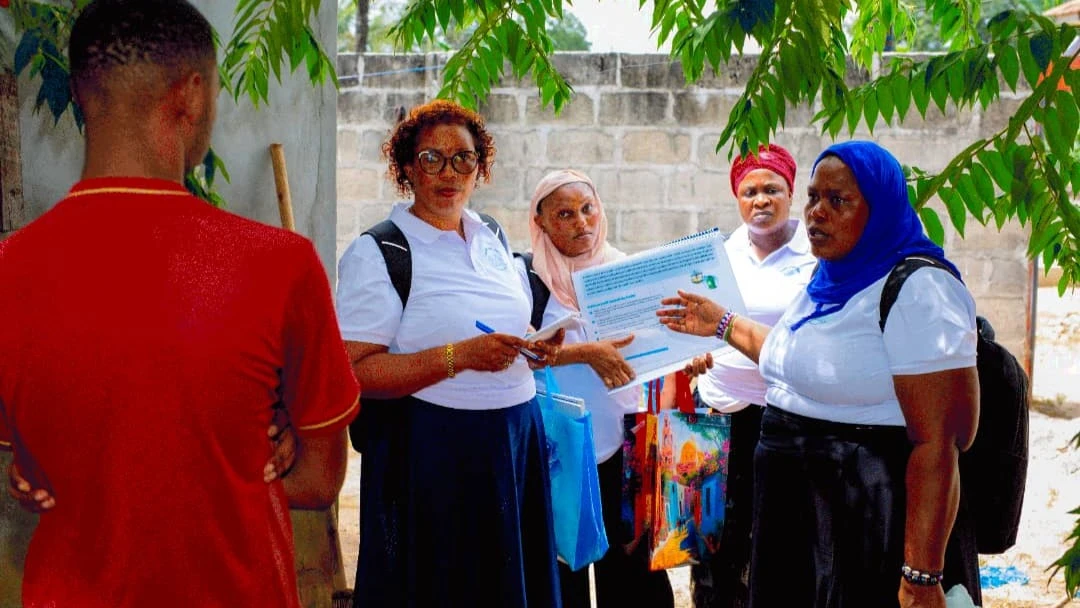
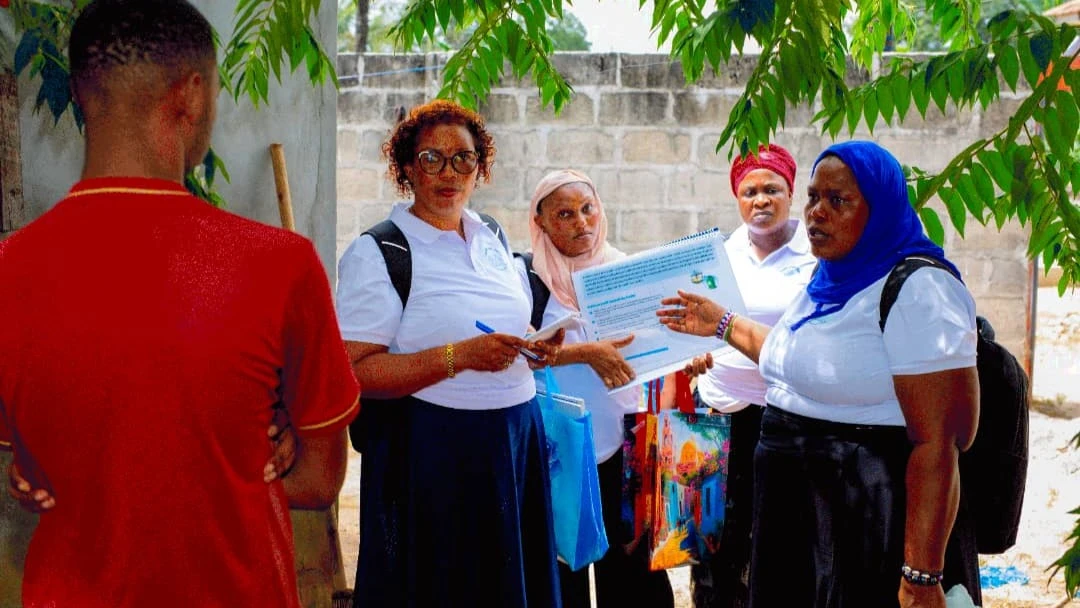
In the densely populated wards of Kigamboni, Kurasini, and Mchafukoge, Community Health Workers (CHWs) are driving a powerful shift in how residents approach hygiene, health, and responsibility. Their door-to-door efforts help bridge long-standing gaps in water, sanitation, and hygiene (WASH) in Tanzania’s commercial capital.
Rapid urbanisation has strained Dar es Salaam’s WASH infrastructure, leaving many vulnerable to preventable diseases. While facilities have improved, changing daily behaviour remains a challenge. Supported by WaterAid Tanzania and funded by DP World, CHWs have become the critical link in fostering lasting hygiene habits.
“Access to infrastructure alone is not enough. What sustains health is behaviour,” said Richard Shabani, Dar es Salaam Regional Health Officer. CHWs are trusted voices helping shift hygiene from a crisis response into daily routine.
Studies showed hygiene improved during outbreaks like cholera or COVID-19, but gains faded after. Now, CHWs promote hygiene through household visits, schools, and community meetings, tackling issues like open urination and misconceptions about sanitation responsibility.
With refresher training and improved tools, CHWs deliver age-appropriate and gender-sensitive messages. “People listen because we live here with them,” said a CHW in Kurasini. “When they see us practising what we teach, they believe change is possible.”
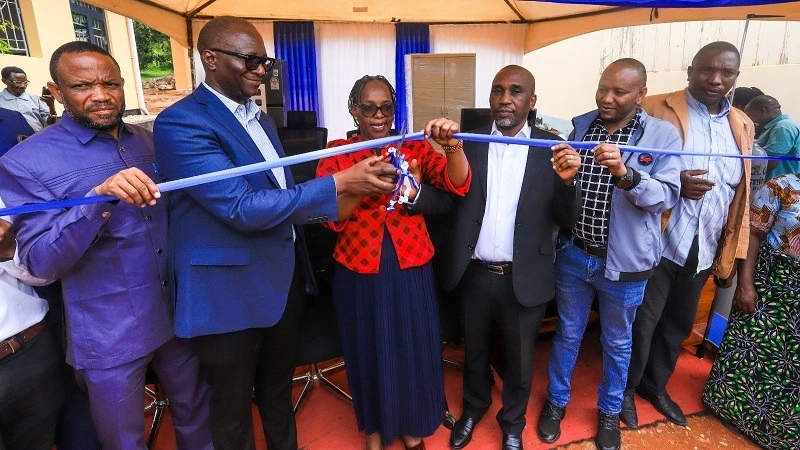
The project also upgrades hygiene standards in healthcare facilities like Mnazi Mmoja Hospital, Kigamboni Health Centre, and Kurasini Dispensary, where reliable water and sanitation are vital for safe care. Previously, damaged infrastructure forced staff to fetch water manually, risking patient safety and dignity.
By integrating WASH into Reproductive, Maternal, Newborn, Child, and Adolescent Health (RMNCAH) services, continuous access to clean water, soap, and protective equipment reduces infection risks, especially for mothers and newborns.
The initiative emphasizes gender and social inclusion, ensuring facilities are accessible to persons with disabilities and climate-resilient. It also improves menstrual hygiene management by providing privacy and safe disposal for women and girls.
As CHWs continue their outreach and healthcare facilities improve, the project aims to impact over 65,000 residents across targeted wards.
“This is not just better infrastructure, but a shift in mindset,” said Shabani. “It’s about dignity, prevention, and long-term resilience.” Dar es Salaam is moving beyond temporary fixes to build a culture of hygiene that will safeguard public health for generations.
Top Headlines
Trending Stories







© 2026 IPPMEDIA.COM. ALL RIGHTS RESERVED